
“Those who do not remember the past are condemned to repeat it” – George Santayana
Visiting Auschwitz Concentration Camp was one of the most profound and emotional experiences of my trip to Poland. Desolate, haunting, and chilling, it’s not the kind of place you visit for pleasure—but it is essential for understanding history.
Having studied the Holocaust at university in my Political Philosophy classes, and watched films like Schindler’s List and read Anne Frank’s diary, I thought I had a grasp of its magnitude. Visiting the camps in person gave me an entirely different perspective. Auschwitz was the largest concentration camp in Europe and a site of unimaginable suffering.
How We Visited
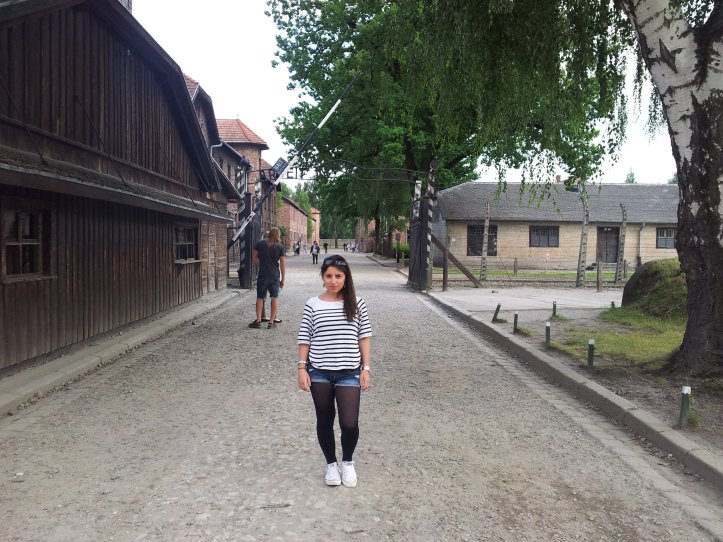
We did a DIY day trip from Kraków. We took the train to Oświęcim, a small town on the outskirts of Kraków. The Germans called it Auschwitz. From there, we walked to the original camp, Auschwitz I.
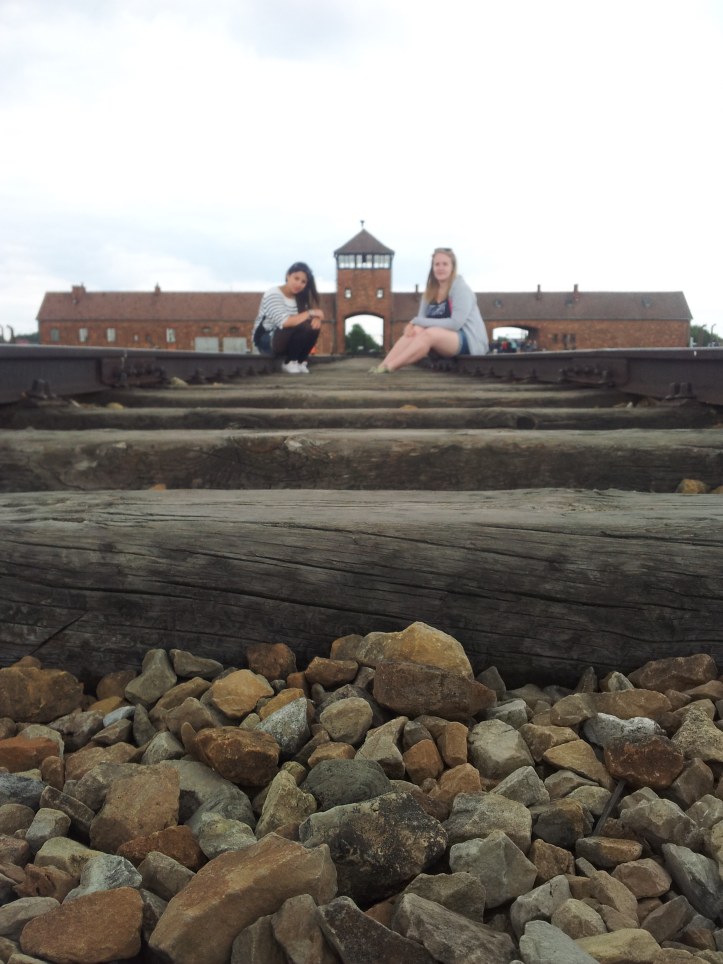
Auschwitz I was the first part of the complex. Later, Auschwitz II-Birkenau and Monowitz were built. Monowitz was destroyed by the Nazis to hide evidence of their crimes, but the horrors at Auschwitz I and Birkenau are preserved for history.
What to Expect
⚠️ Content Warning: Some of the details below may be distressing.
The entrance gate reads “Arbeit Macht Frei” (Work Makes You Free). Prisoners arriving here were told they would work to support their families, a cruel lie that set the tone for what awaited them.
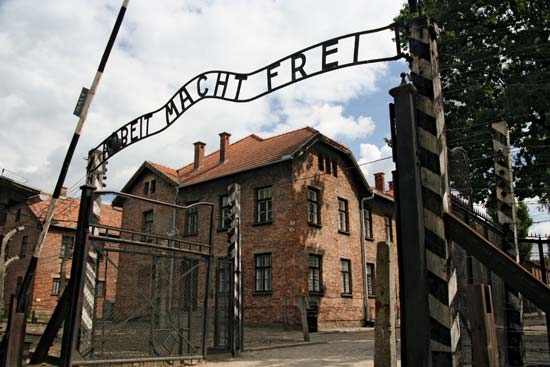
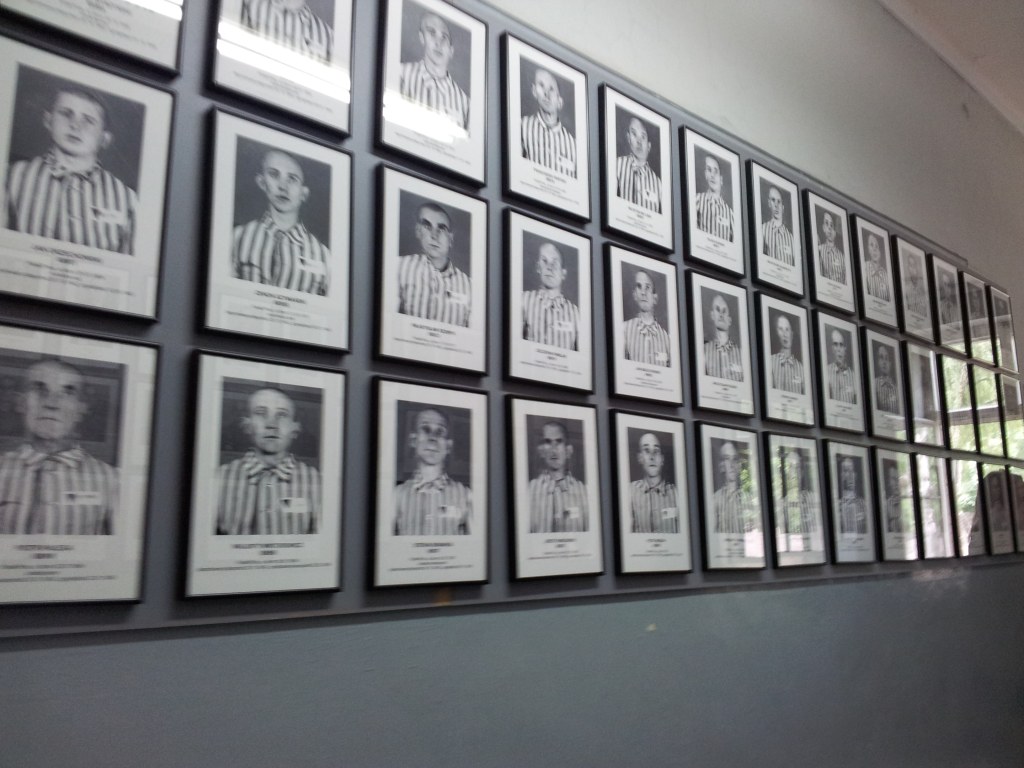
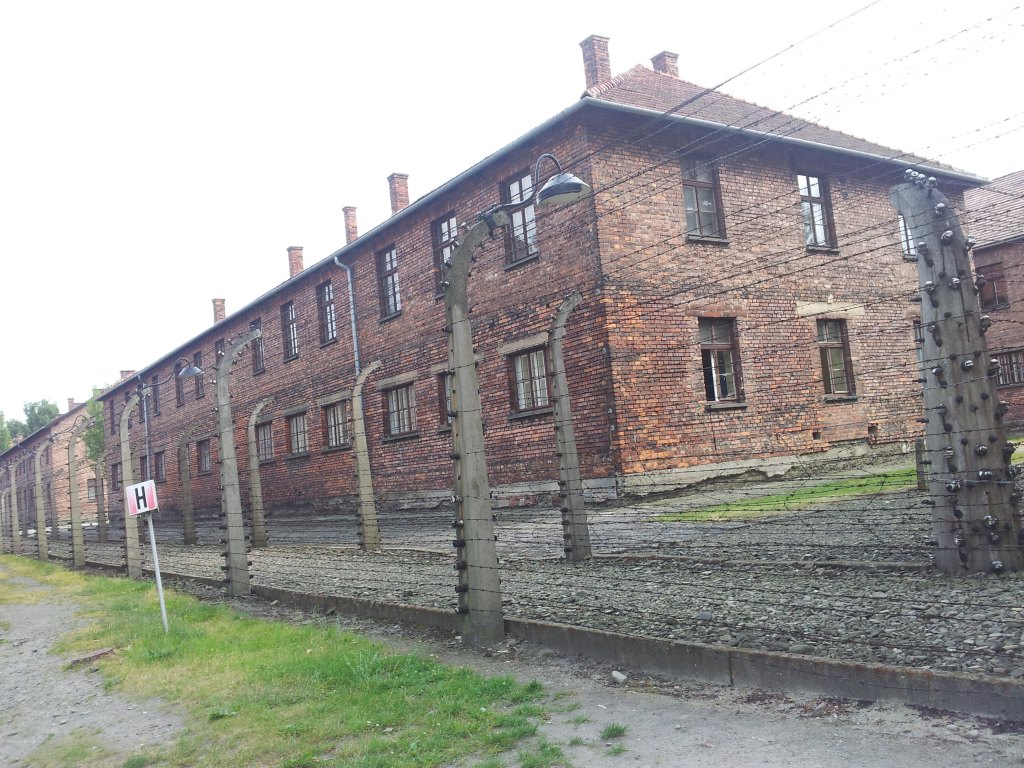
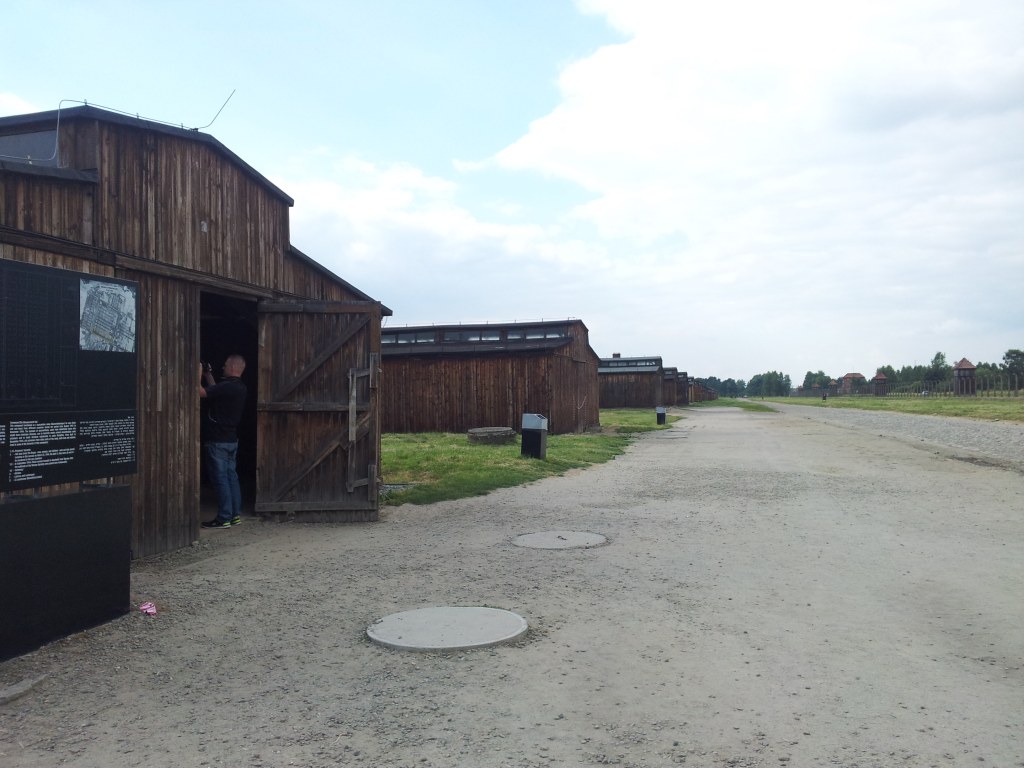
Walking through the camps, the most chilling sights included:
- The Black Wall: A place where many prisoners were executed.
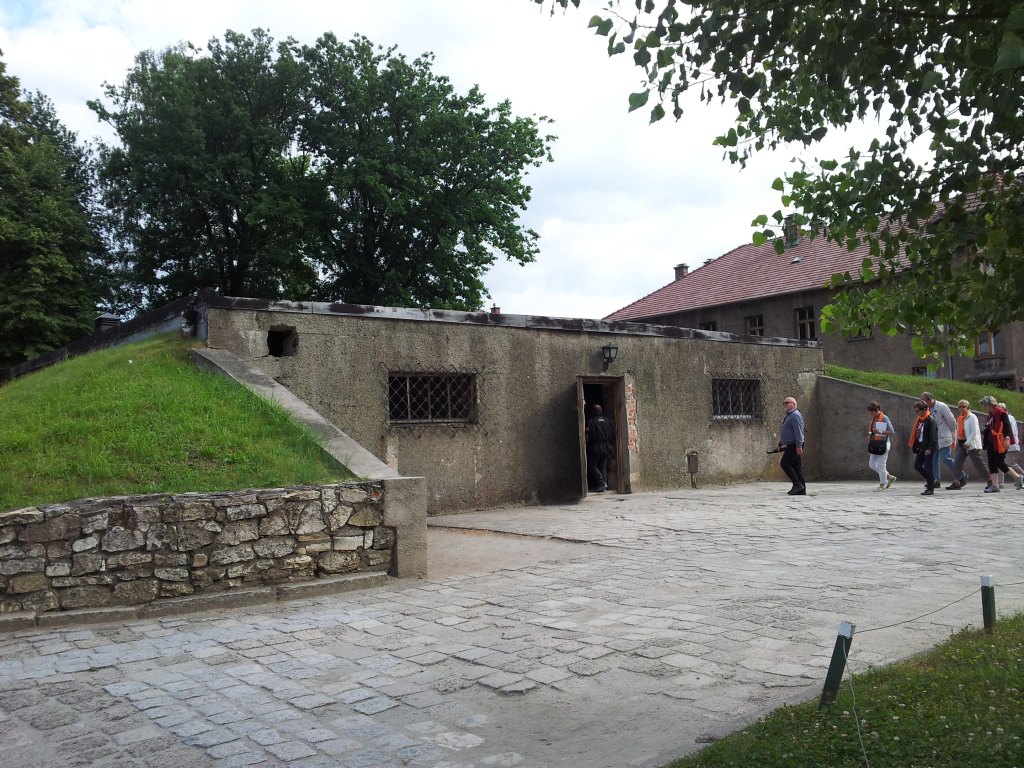
- Torture chambers and gas chambers: Some could hold up to 2,000 people at a time.
- The museum collections: Personal belongings of Jewish victims—shoes, eyeglasses, suitcases, and women’s hair—are displayed to humanize the tragedy. One single red shoe among a mountain of unpaired shoes stood out, hauntingly symbolic.
- Imitation shower rooms: Used by the Nazis to disguise the gas chambers as facilities for cleansing.
Every corner of the site is a stark reminder of the suffering, resilience, and tragedy experienced by millions.
Planning Your Visit
Auschwitz I & Auschwitz II-Birkenau
- Location: Outskirts of Oświęcim, Poland
- Open daily except January 1, December 25, and Easter Sunday
- Opening hours:
- Dec–Feb: 8:00 AM – 3:00 PM
- Mar & Nov: 8:00 AM – 4:00 PM
- Apr & Oct: 8:00 AM – 5:00 PM
- May & Sep: 8:00 AM – 6:00 PM
- Jun–Aug: 8:00 AM – 7:00 PM
- Entry is free. Guided tours are available for a fee if you prefer an in-depth experience.
Visiting Auschwitz-Birkenau is not easy, but it is deeply important for anyone seeking to understand the atrocities of the Holocaust. Walking the grounds and seeing the evidence firsthand is something you will never forget.
Would you consider visiting a concentration camp to learn about history in person?

 Where May Wanders Travel Blog
Leave a reply to 3 Days in Colourful Krakow – A Petite Abroad Cancel reply