
Copenhagen is quickly becoming one of Europe’s most stylish and vibrant cities. From its colourful ports and sleek Nordic architecture to delicious cuisine and the ever-present sense of hygge (the Danish art of cosiness), it’s easy to see why Copenhagen stole my heart. Over four days, my husband and I explored the city at a relaxed pace, soaking in the main attractions, quirky neighbourhoods, and unforgettable foodie experiences. Here’s our full itinerary, packed with tips, personal stories, and hidden gems.
- Day 1: Arrival, Walking Tour & Jazz Night
- Day 2: Architecture, Canals & CopenHot
- Day 3: Nyhavn, Castles & Street Food
- Day 4: Christiansborg Palace & Smørrebrød
- Copenhagen Travel Tips for First-Time Visitors
Day 1: Arrival, Walking Tour & Jazz Night
We landed at Copenhagen International Airport late morning, which, despite being one of the oldest airports in Europe, felt surprisingly minimalist. The metro made it quick and easy to reach the city centre, and our hotel’s proximity to Central Station meant we could drop our bags, freshen up, and start exploring immediately.
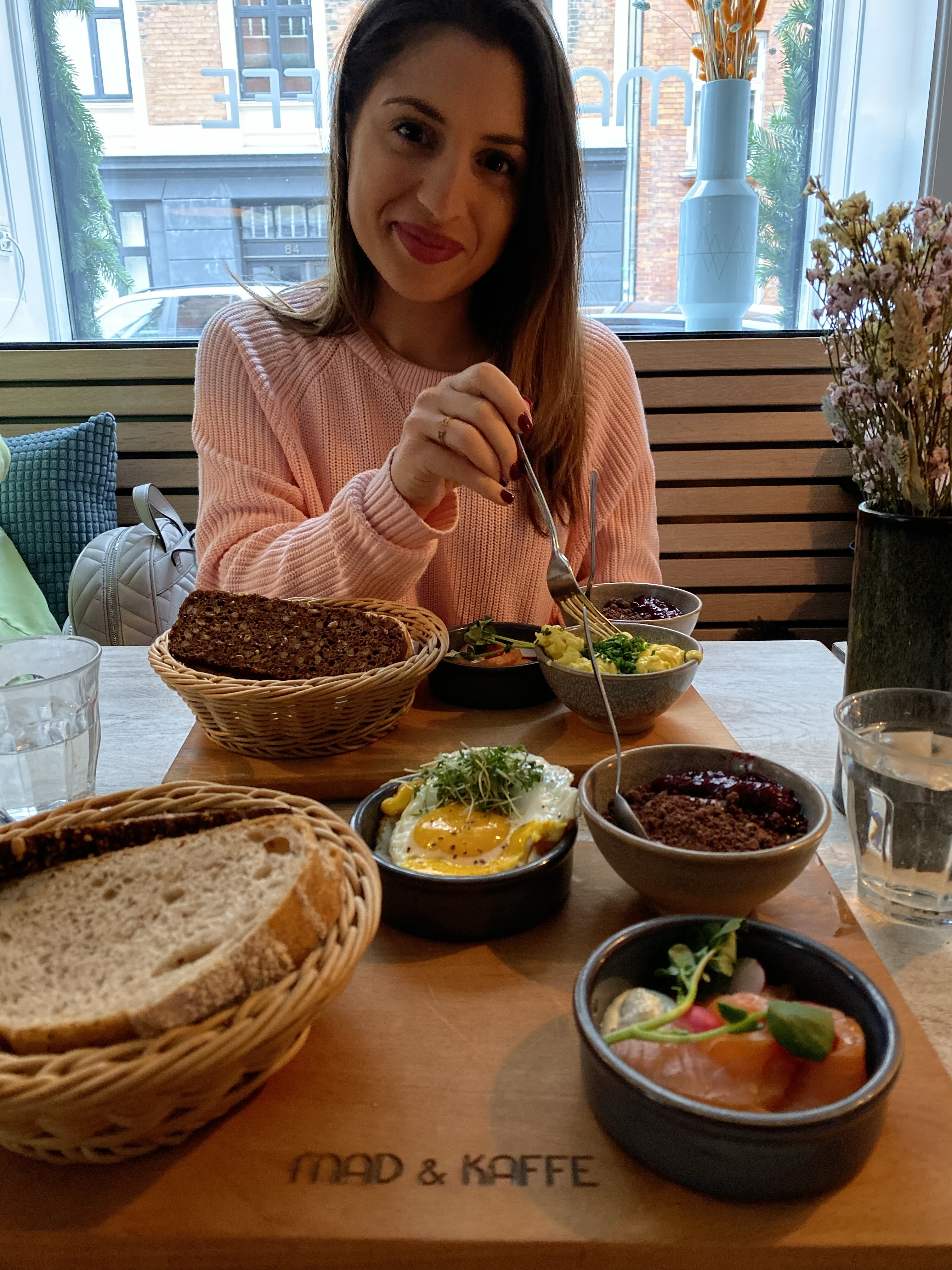
Brunch at Mad & Kaffe
Before embarking on a walking tour, we needed a hearty breakfast. Mad & Kaffe did not disappoint. The brunch was amazing, and it gave us the energy to take on Copenhagen’s streets.
Sandeman’s Free Walking Tour
To get acquainted with the city, we joined a Sandeman’s free walking tour. I was fascinated by Copenhagen’s rich history, from its origins as a fishing town to surviving fires, plagues, and invasions. The tour gave us context for the city we were about to explore on our own.
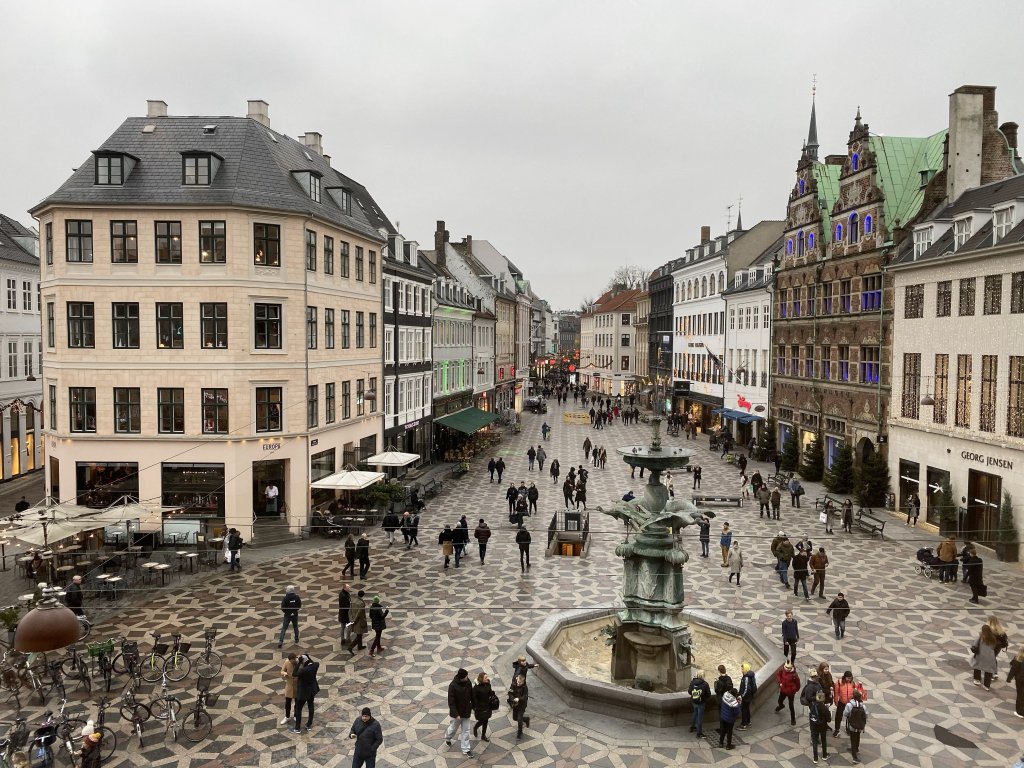
Afternoon Stroll Through Strøget
Strøget is one of Europe’s longest pedestrian streets, full of luxury brands like Louis Vuitton, Prada, and Gucci, alongside more budget-friendly chains. My husband and I, in the middle of decorating our flat, loved browsing interior design shops like Magasin. While our purchases were limited to a candle holder, the window shopping alone was inspiring.
Jazz Night at La Fontaine
To end our first day, we headed to La Fontaine, a small jazz club with incredible talent and a cozy atmosphere. Experiencing Copenhagen’s jazz scene on a Saturday night was magical—it’s easy to see why some call it the jazz capital of Europe.

Day 2: Architecture, Canals & CopenHot
Danish Architecture Centre & Black Diamond
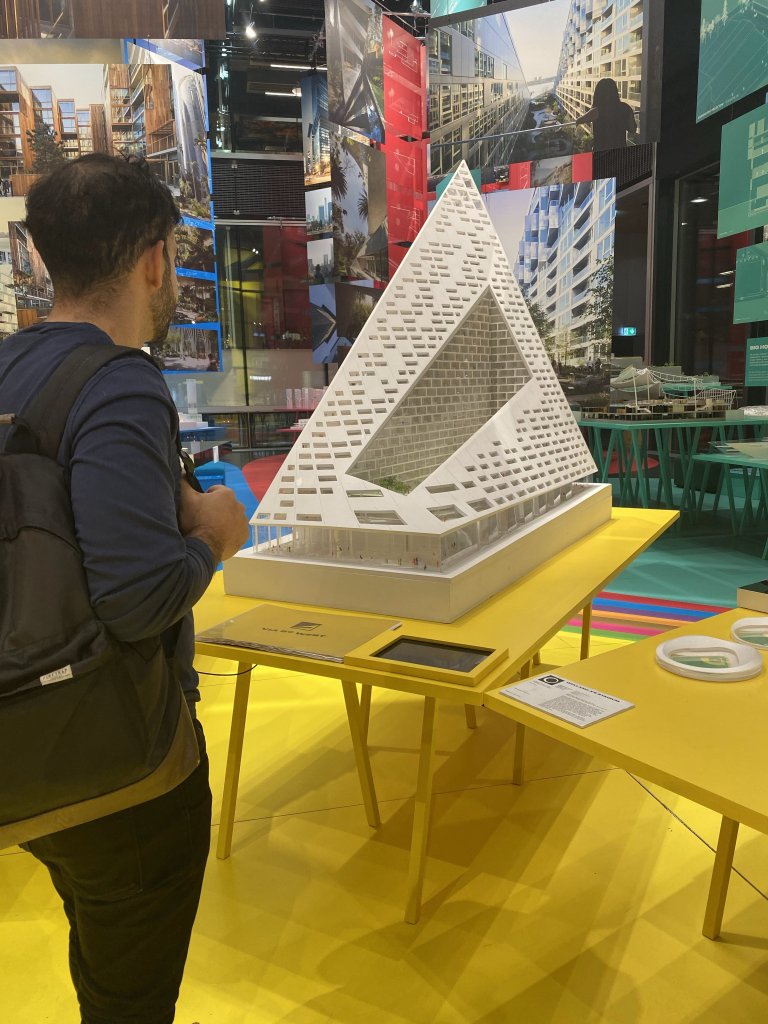
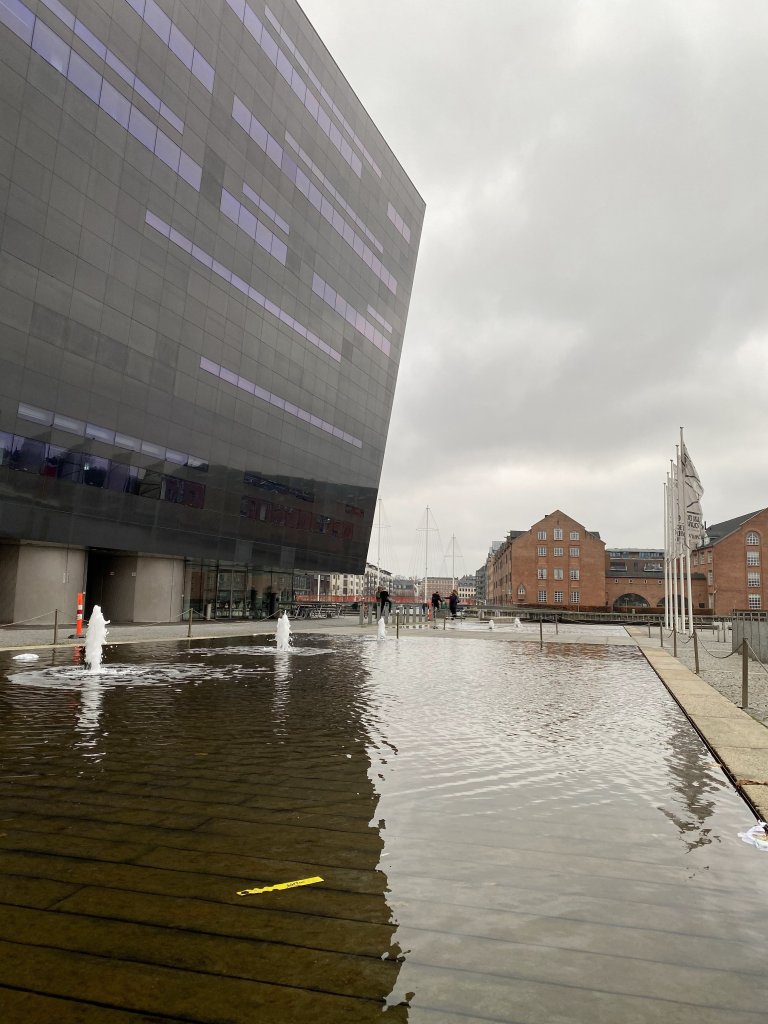
As an architect, my husband was thrilled to explore the Danish Architecture Centre and see exhibits from the world-renowned BIG (Bjarke Ingels Group). Afterward, we admired the Black Diamond, a striking extension of the Royal Danish Library, built with sleek black granite.
Christianshavn & Coffee at Lagkagehuset
Christianshavn stole my heart with its colourful canal houses and charming cobblestone streets. It reminded me of Amsterdam! Its a really interesting neighbourhood as it somehow mixes high end and hippy style. There is a Michelin-starred Noma restaurant and then within a few metres away, there is also the self-governed community of Christiana. We stopped for coffee at Lagkagehuset – hands down the creamiest, most perfect latte I’ve ever had.

CopenHill – The Ski Slope Power Plant
Walking past CopenHill was surreal. This waste-to-power plant doubles as an artificial ski slope—a perfect blend of engineering, design, and fun.
Christiania
No trip to Copenhagen is complete without visiting Christiania, the independent artistic community. Walking beneath the wooden sign, the scent of creativity (and something else!) filled the air. We watched as police arrived to enforce rules, a reminder of the delicate balance of this social experiment. Christiania was established in 1971 and was born in an abandoned military barracks by artists, squatters and people who wanted to live an alternative, “organic” lifestyle. They set their own rules, raise their own taxes, have their own flag and live independently from the government. The government only accepted this as they deemed the project a “social experiment”.
When we visited, the men at the entrance gate, who were shouting at people not to take photos all scattered quickly. A tank and police vans came storming in the attempt of trying to find weed. From the sounds of it and after talking to a local over there, it seems like the police are trying to crack down on this and stop this social experiment. It was truly quite an experience.


CopenHot Outdoor Spa
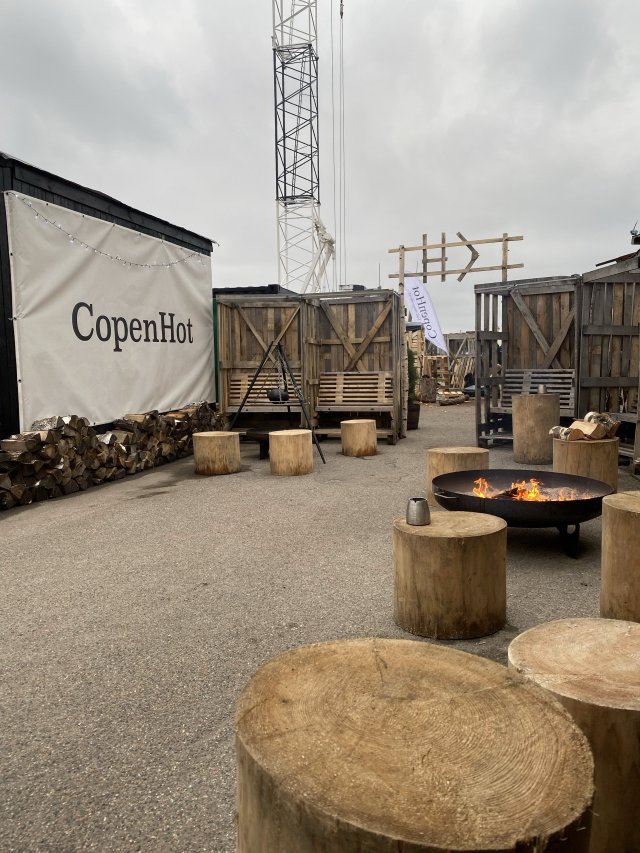
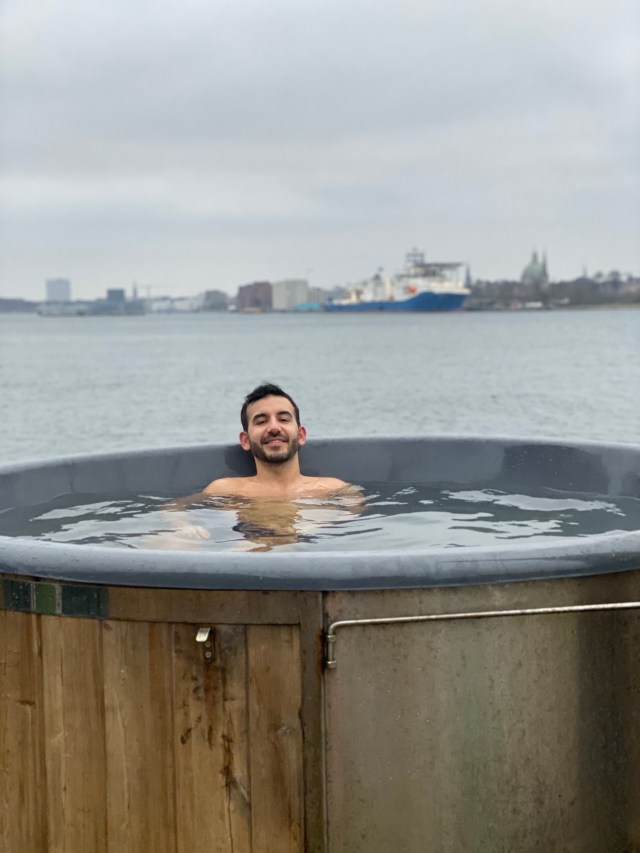
We finally made our way to the outdoor spa retreat. Guys – this was a truly Danish experience as it allows us to enjoy being outside while staying warm – WIN/WIN. Both my husband and i jumped into the harbour where the water was freezing! All i knew was this its a Danish tradition so i gotta suck it up and just jump in. We then headed straight to the sauna so that the intense heat could warm us up from the inside out. Their saunas had the most beautiful skyline view of the city. We then enjoyed staying in the stationary hot tub filled with sea water and heated with firewood. We chatted with the lovely people in our hot tub, which made the experience really lovely and sociable.
Opera House
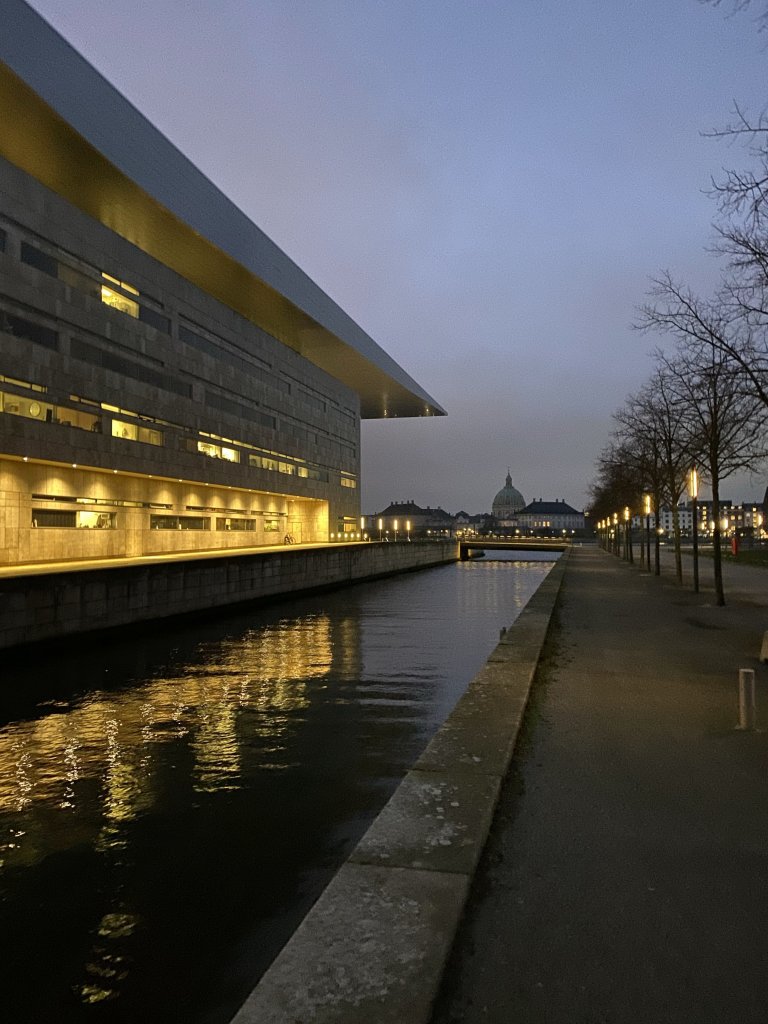
On our way back, we admired the modern Opera House, a stunning architectural feat and one of the most expensive opera houses ever built (500 million dollars!).
Day 3: Nyhavn, Castles & Street Food
Nyhavn Harbour
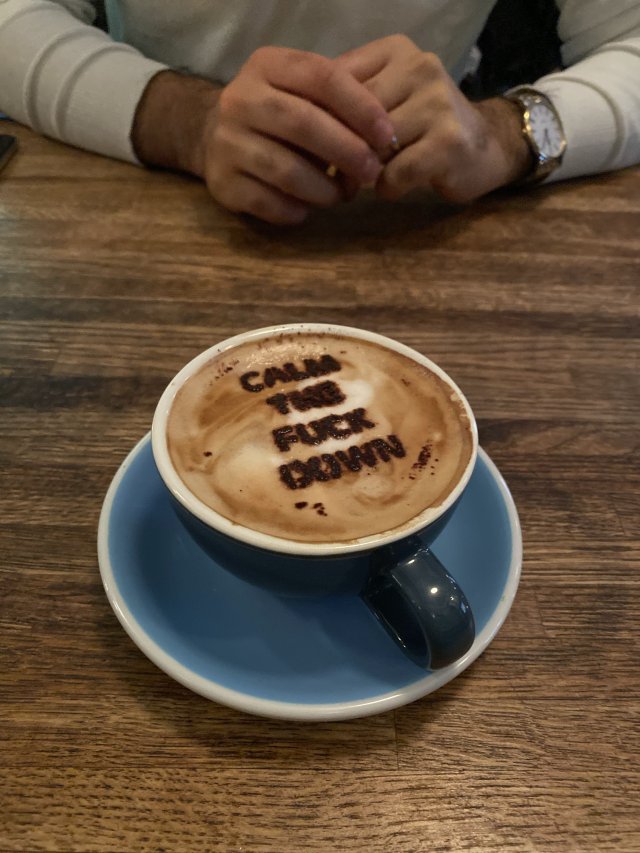
Nyhavn is iconic—once home to brothels and pubs, now a lively area with cafés and bars. We enjoyed a morning cappuccino at Union Kitchen tucked into a quiet side street.
Rosenborg Castle & Gardens
Rosenborg Castle, built between 1606–1634 as a summer residence for Christian IV, is now a central city landmark. Although we didn’t enter the castle, the rose gardens were a lovely spot for a stroll, despite a few aggressive black birds chasing us!

Torvehallerne Market
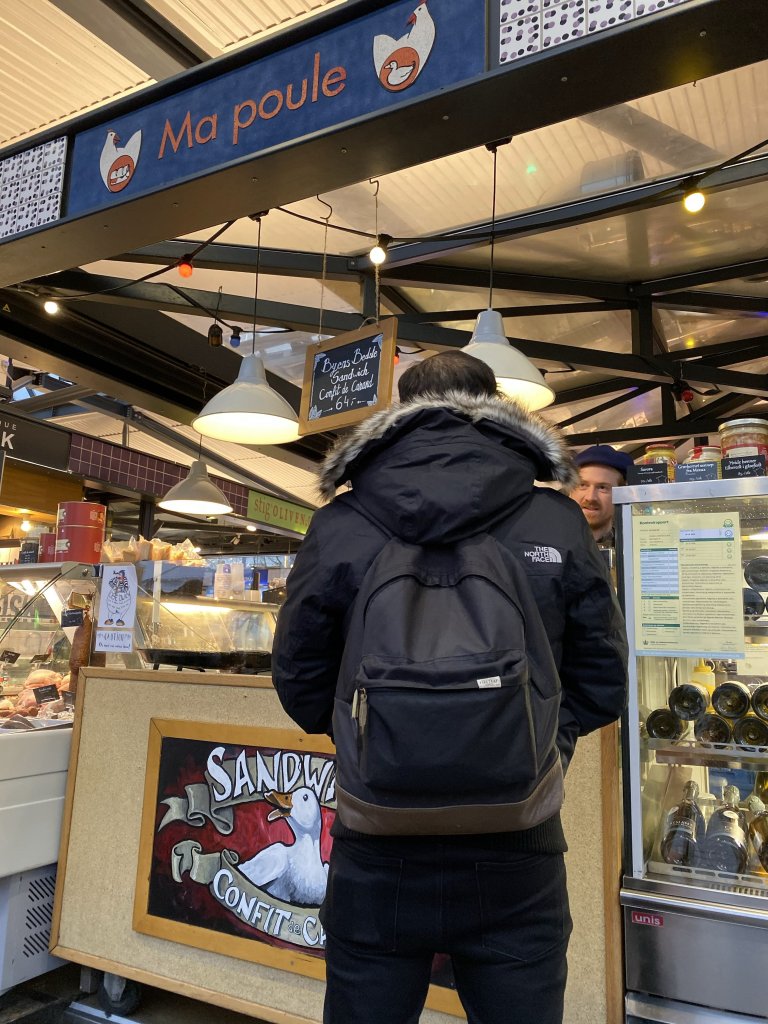
Torvehallerne, a quirky market with over 60 stalls, offered everything from seafood to chocolates. We ended up going to French-influenced Ma Poule and had a superb duck confit baguette. It had a spicy mustard and fresh watercress and only cost 55kr. Its not called “best sandwich in Copenhagen” for nothing!
The Little Mermaid & Round Tower
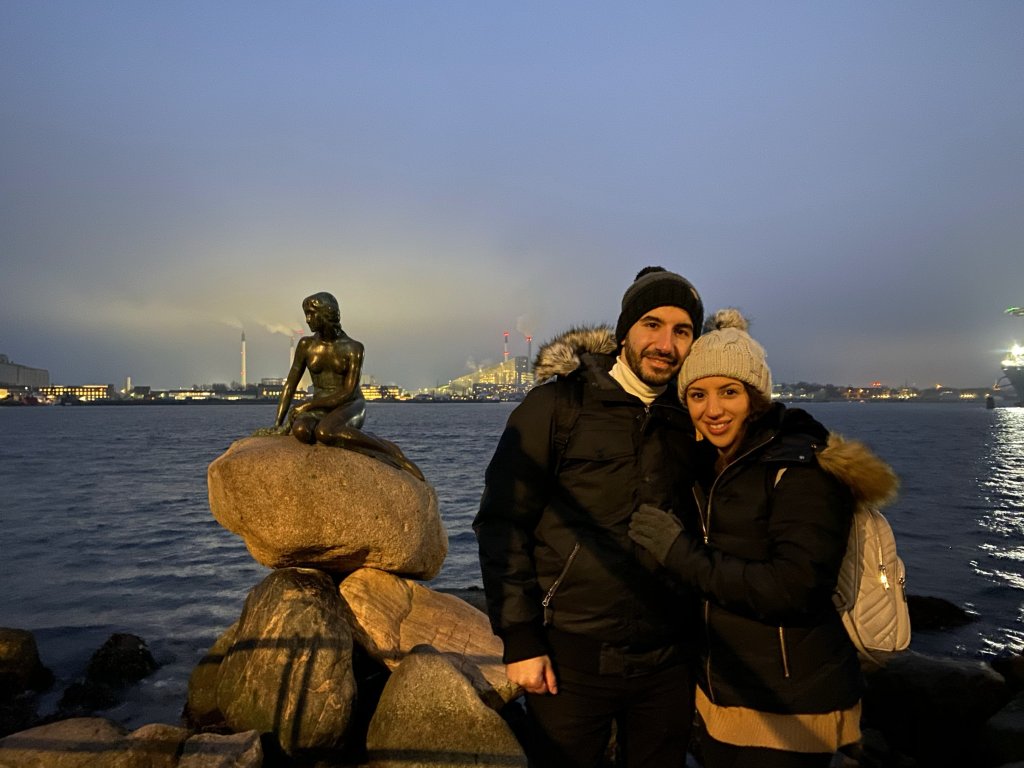
Okay, so this was little further out so we decided to take the electric scooters which was an epic experience in itself (even though it took as way longer than it should to figure out how to switch on). When we finally arrived at the little mermaid, my husband and i looked at each other and asked where the original was. We realised that this was it – its much smaller than what you would expect and is less than 5ft tall. She sits on a rock near the shore. It was based on a fairytale written by Hans Christian Anderson in 1837 about a mermaid who gives up everything to be united with a young, handsome Prince on land. Every morning and evening she swims to the surface from the bottom of the sea and perches on her rock in the water staring lovingly towards the shore hoping to catch a glimpse of her beloved prince.
The Round Tower is an old Copenhagen church at the centre of the city. You can walk up the spiral ramp to the top to get a 360 view of the city, but we were too lazy to walk to the top. The tower features a special ramp which allowed a horse and carriage to go up and down moving equipment and books from the library – quite cool.
Tivoli Gardens & Pizza Night
Tivoli Gardens, the second oldest amusement park in the world (opened 1843), impressed with light displays and rides.
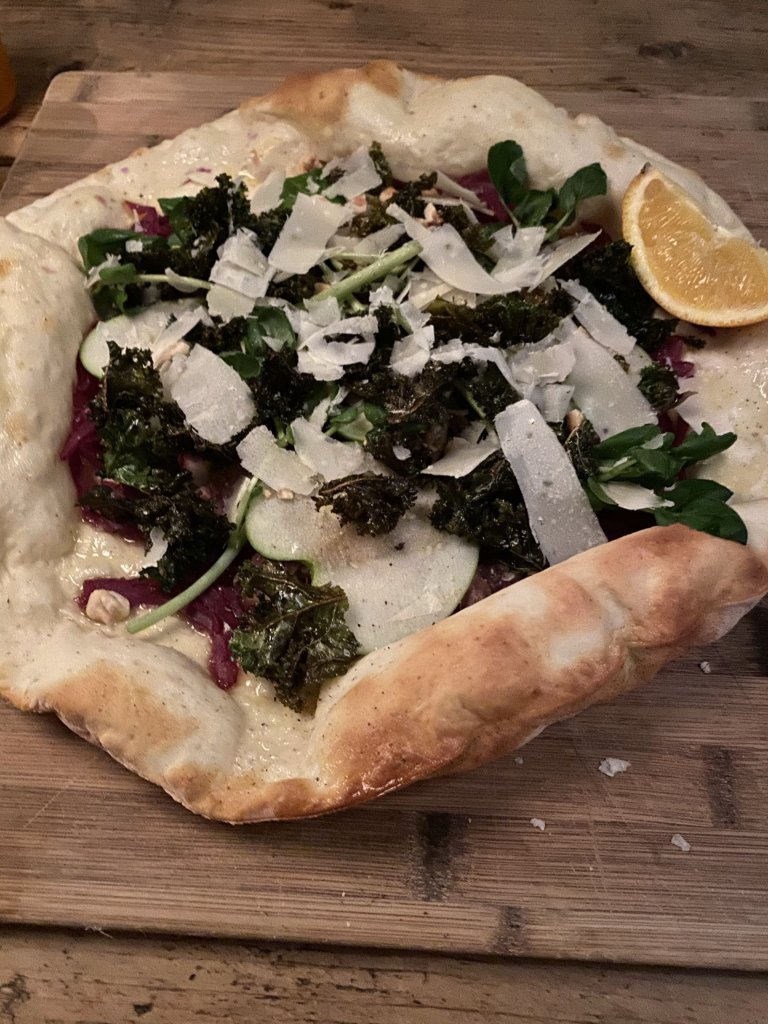
My director recommended we go to Neighbourhood pizza and boy are we glad we went! We tried a Christmas Duck pizza which was ” Confit of French Barbary duck leg, glazed red cabbage, fried kale, roasted hazelnuts, crudité of apple, watercress & fresh orange”. i know what you’re thinking and it sounds super weird – but my goodness. MA GOODNESS. It was INSANE. Like literally…
best… pizza… ever. Thanks Matt for recommending!
As we wanted to try another pizza place also, we went to Mama Rosa Pizza and it was good, but after eating what was like heaven on the plate – Mama Rosa pizza disappointed us. The tiramisu was good though! My husband surprised me with a birthday cake here as we came here on the day of my birthday, so that was nice

Day 4: Christiansborg Palace & Smørrebrød
Christiansborg Palace
On our last half-day, we explored Christiansborg Palace. The Danish parliament sits here, and the royal family uses it for events. We went to the tower for panoramic views – the only government building in the world housing all three branches of government.
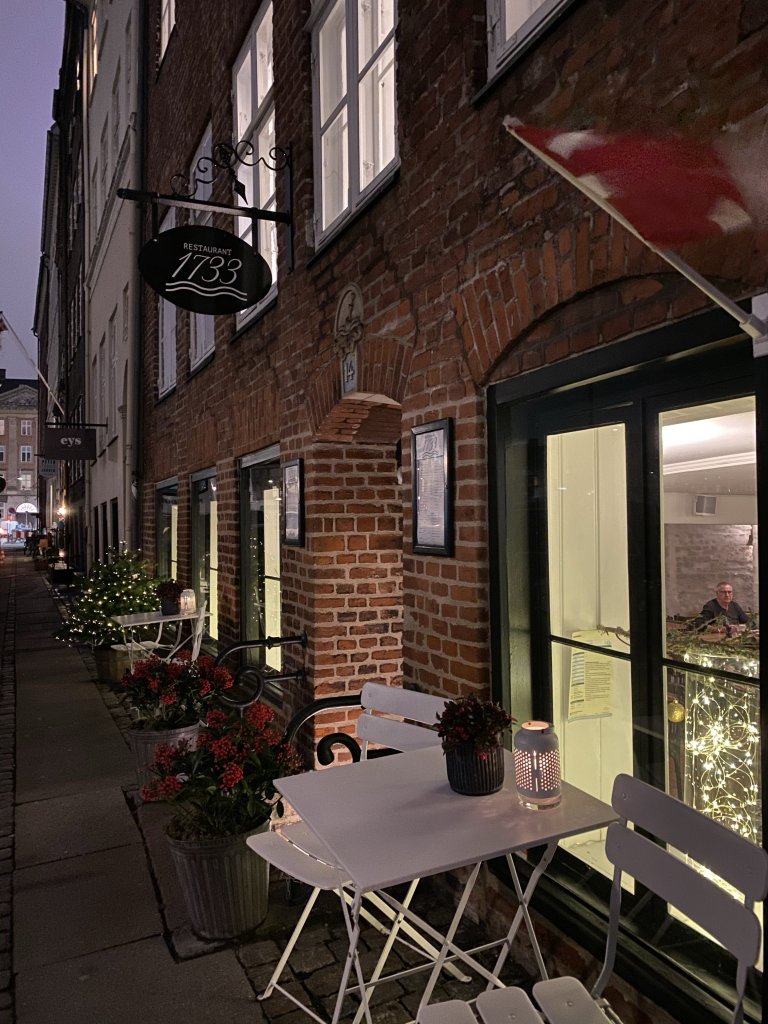
Smørrebrød at Restaurant 1733
For traditional Danish lunch, we visited Restaurant 1733 near Frederiksholms Kanal. The smørrebrød were beautifully presented and delicious, making it a perfect end to our Copenhagen adventure.
After collecting our suitcases, we headed to the airport, cherishing the memories of a city full of history, design, food, and unique experiences.
Copenhagen Travel Tips for First-Time Visitors
1. Getting Around the City
- Metro & Trains: Copenhagen International Airport connects to the city center via the Metro in just 15 minutes. It’s clean, efficient, and safe.
- Bicycles: The city is famous for cycling culture—rent a bike for a few hours or a full day to explore like a local. Bike lanes are excellent and well-marked.
- Electric Scooters: Electric scooters are a fun and convenient way to cover shorter distances. Just make sure to read the instructions—they can be tricky at first!
- Walking Tours: Sandeman’s Free Walking Tour is a great way to get an overview of the city’s history and layout, especially if you’re short on time.
2. Best Time to Visit
- Summer (June–August): Long days, mild weather, and festivals make this the most popular season. Expect crowds at Nyhavn and Tivoli Gardens.
- Spring & Autumn: Fewer tourists, cooler weather, and perfect for walking and photography.
- Winter: Christmas markets are magical, but it can get dark by 3:30 pm and quite cold—bundle up!
3. Must-Have Apps
- Rejseplanen: Essential for public transport schedules.
- Google Maps / Citymapper: Helps with walking, cycling, and tram directions.
- Copenhagen Card: Offers free entry to top museums and attractions, plus public transport for 24–120 hours.
4. Local Food & Cafés
- Smørrebrød: Traditional Danish open sandwiches; try them at Restaurants 1733 or local cafés.
- Pastries: Don’t miss Danish pastries or cinnamon rolls—Lagkagehuset is a local favourite.
- Street Food: Torvehallerne market has over 60 stalls, offering everything from fresh seafood to French-inspired duck confit sandwiches.
5. Money & Budgeting
- Denmark uses Danish Krone (DKK). Credit cards are widely accepted, but carrying some cash for small markets or cafés can be handy.
- Copenhagen is not cheap, so budget for at least €100–€150 per day per person if you want a mix of sightseeing, dining, and public transport.
6. Practical Tips
- Comfortable Shoes: Copenhagen is perfect for walking, cobbled streets and long days of sightseeing require comfy footwear.
- Layered Clothing: Weather can change quickly; layers are key. Even in summer, evenings can be chilly near the canals.
- Cultural Etiquette: Danes value personal space and quietness in public transport. Tipping is appreciated but not mandatory.
- Photography: Nyhavn, Christiania, and CopenHot are Instagram-worthy spots—just be mindful of signs prohibiting photography in certain areas (like Christiania).
 Where May Wanders Travel Blog
Leave a comment