

Just 25km from Lisbon, the fairytale town of Sintra feels like stepping into another world.
With its mist-covered forests, colourful palaces, and mysterious estates, it’s no surprise that Sintra is a UNESCO World Heritage Site, recognised for both its cultural significance and breathtaking natural beauty.
I only had one day in Sintra, but somehow that was enough to completely fall under its spell.
- Getting to Sintra from Lisbon
- Castelo dos Mouros: A Scenic Hike Through History
- Pena Palace: Sintra’s Fairytale Icon
- Quinta da Regaleira: Sintra’s Most Mysterious Estate
- Trying Sintra’s Famous Pastries
- Final Thoughts on Visiting Sintra
Getting to Sintra from Lisbon
The easiest way to reach Sintra is by train from Rossio Station.
- ⏱ Journey time: ~40 minutes
- 💰 Cost: ~€5 return
I arrived around 11am, hoping to squeeze in as much as possible. After getting a few recommendations from João, I picked three places I knew I’d love:
- Castelo dos Mouros
- Pena Palace
- Quinta da Regaleira
Castelo dos Mouros: A Scenic Hike Through History
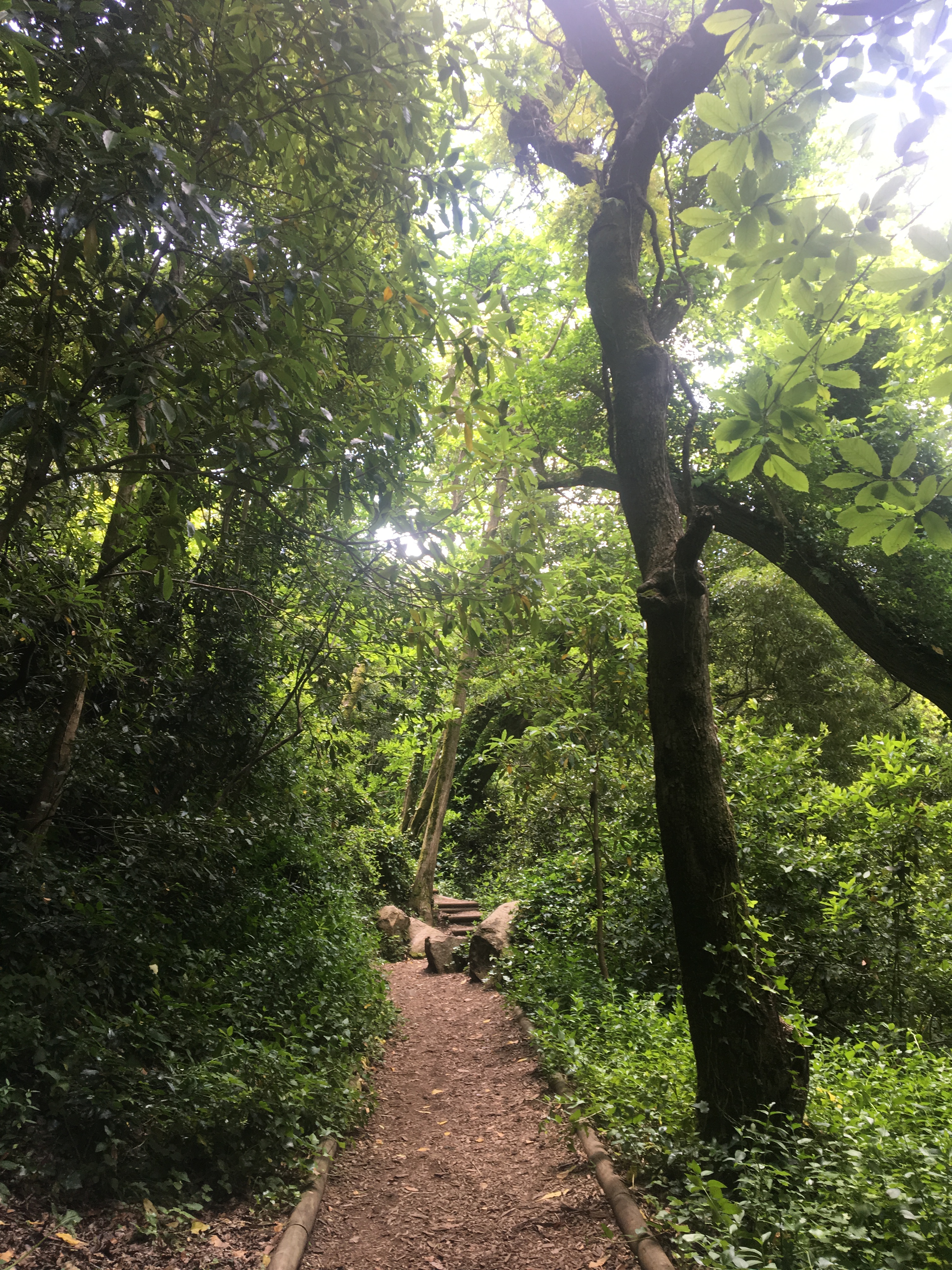
Instead of taking the bus, João suggested an off-road walking trail up to Castelo dos Mouros—and I’m so glad I listened.
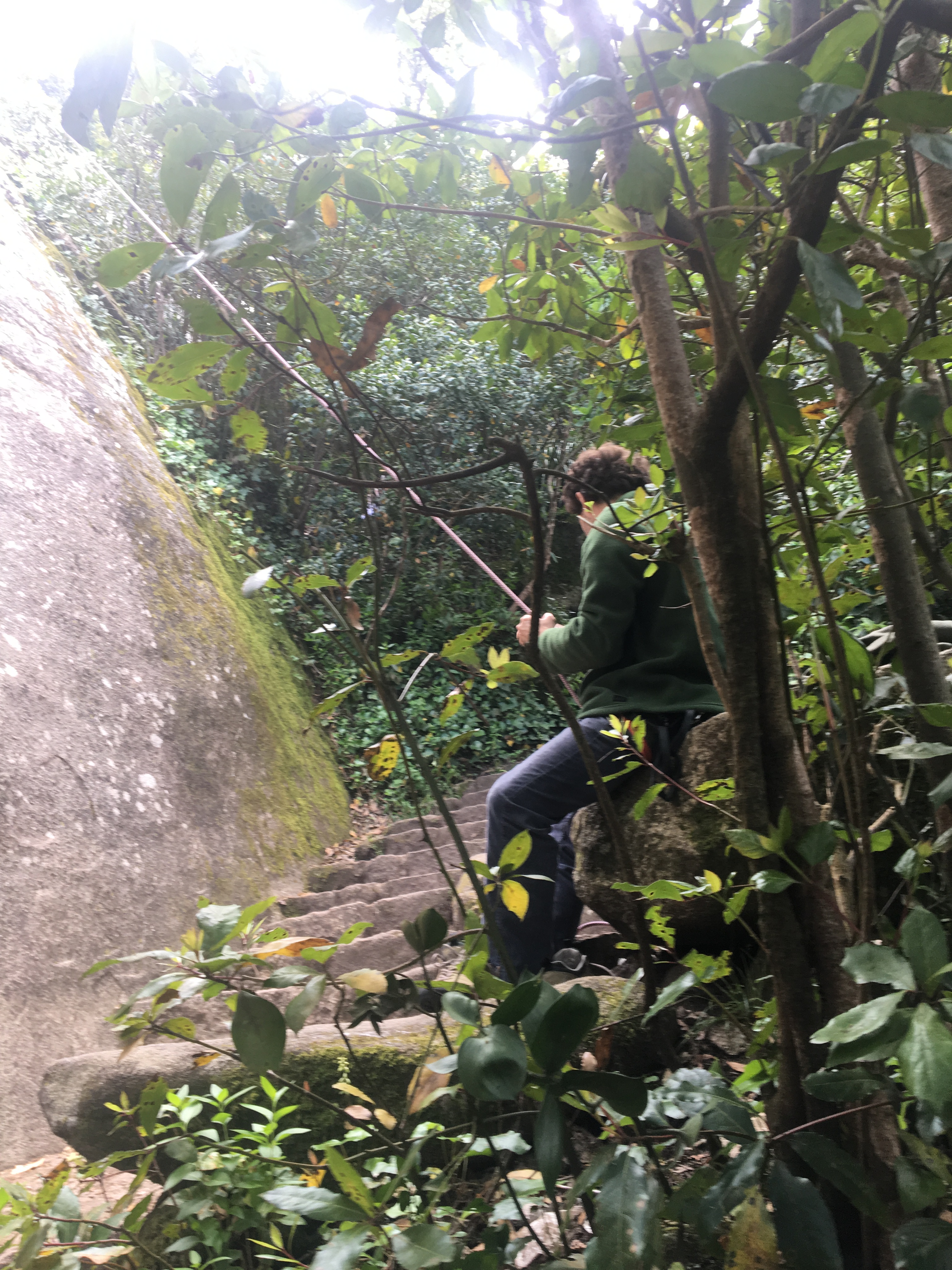
The hike was steep, slightly brutal at times, and had me questioning my life choices halfway up… but it was also one of the most peaceful and rewarding parts of the day.
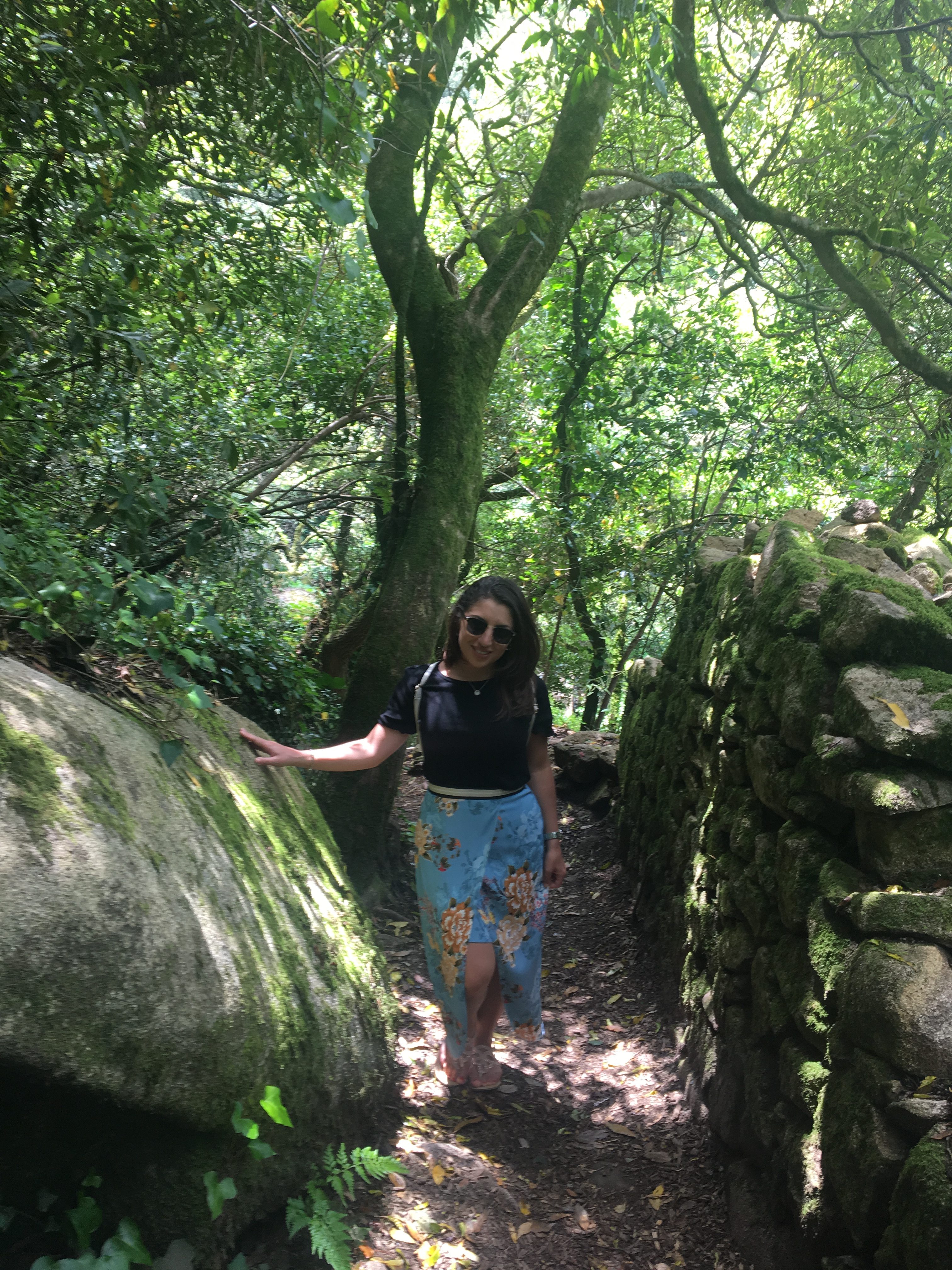
Surrounded by dense forest in the Sintra-Cascais Natural Park, I felt completely removed from the busy town below. The air felt fresher, the silence almost surreal, and for once, I wasn’t rushing anywhere.
It took me about 50 minutes (with plenty of breaks) to reach the top—and the views along the way were absolutely worth it.
The History Behind the Castle
The Castelo dos Mouros dates back to the 10th century, when it was built by the Moors of North Africa as a strategic military fortress.
Its hilltop position allowed it to defend both Sintra and nearby Lisbon.
After the Christian Reconquest in the 12th century, the castle was abandoned and later damaged by natural disasters, including the 1755 Lisbon earthquake.
In the 19th century, King Ferdinand II of Portugal restored parts of the castle, mainly because he enjoyed the view of Pena Palace from its walls.
Exploring the Ruins
Walking along the ancient stone walls felt like stepping back in time.
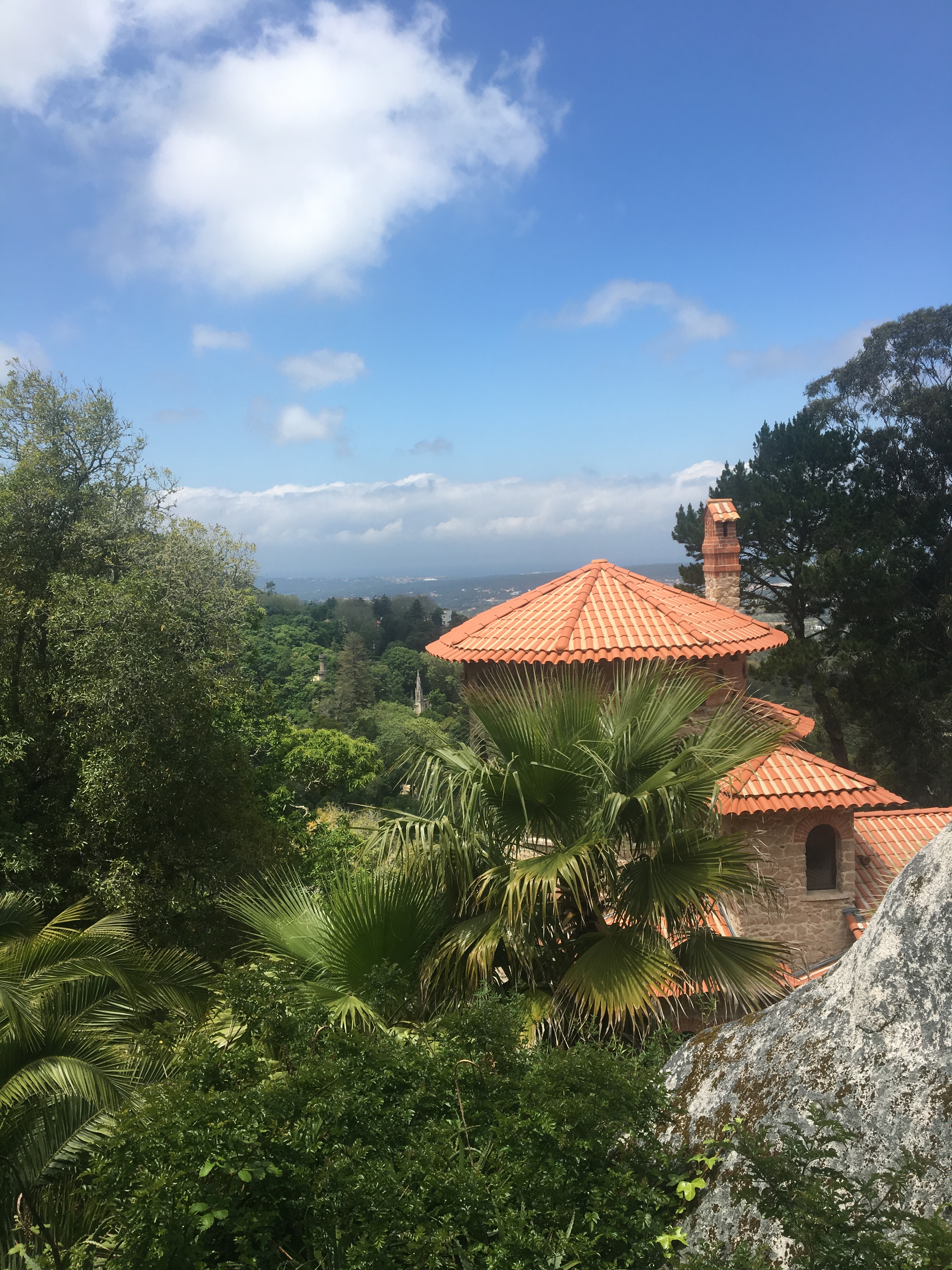
Each tower offered a new panoramic view—rolling hills, distant ocean, and colourful palaces peeking through the trees.
I also couldn’t help but wonder how on earth people managed to build something like this on top of a mountain without modern tools.
I met a number of people on my walk around the walls and towers. I loved how each wall presents a new vantage point with each being more mesmerising than the last. I also admired the architecture and found it amazing to think that they were able to assemble all these layers of stone on top of a mountain with rough terrain and without the use of modern equipment.

Pena Palace: Sintra’s Fairytale Icon
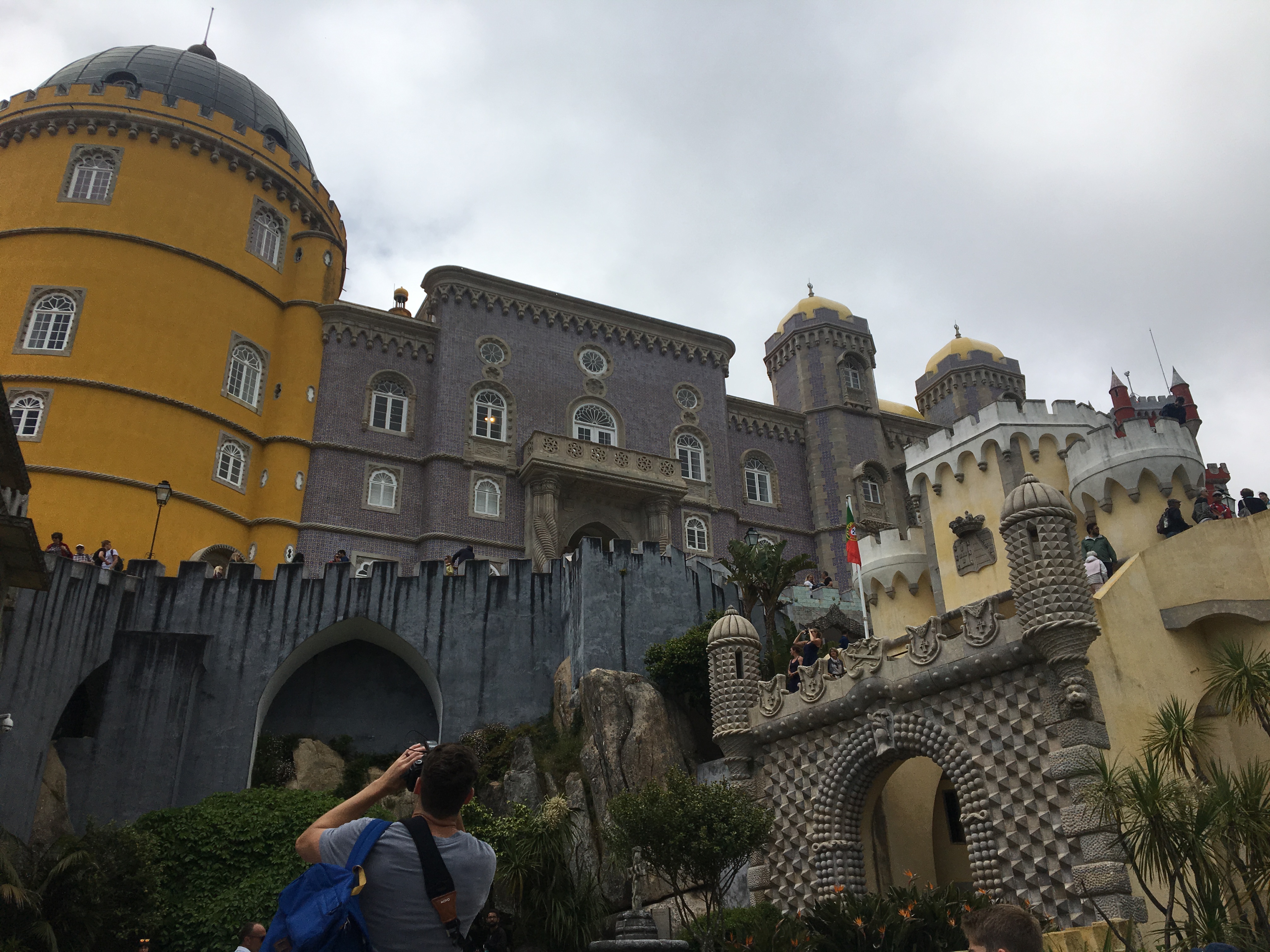
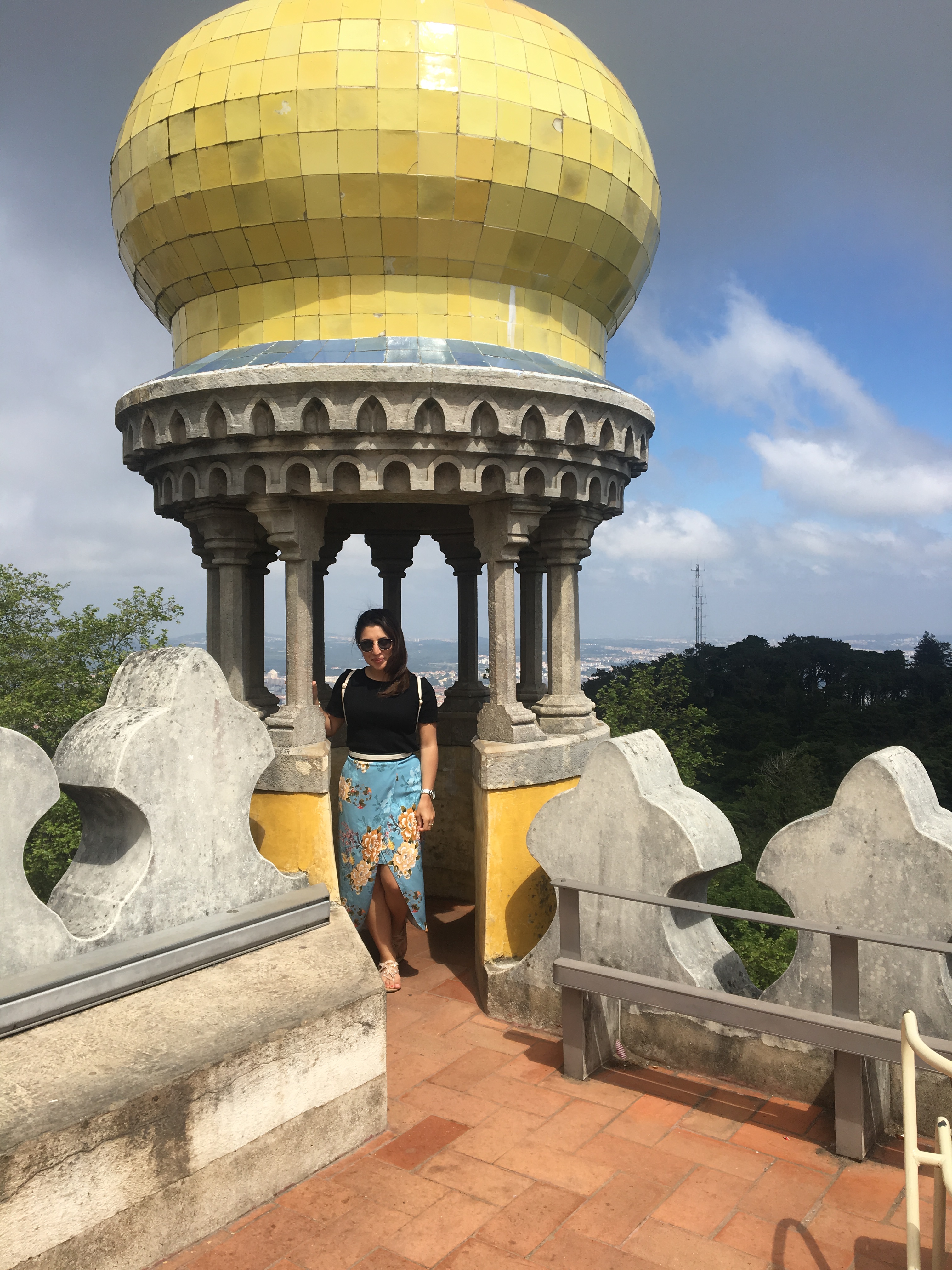
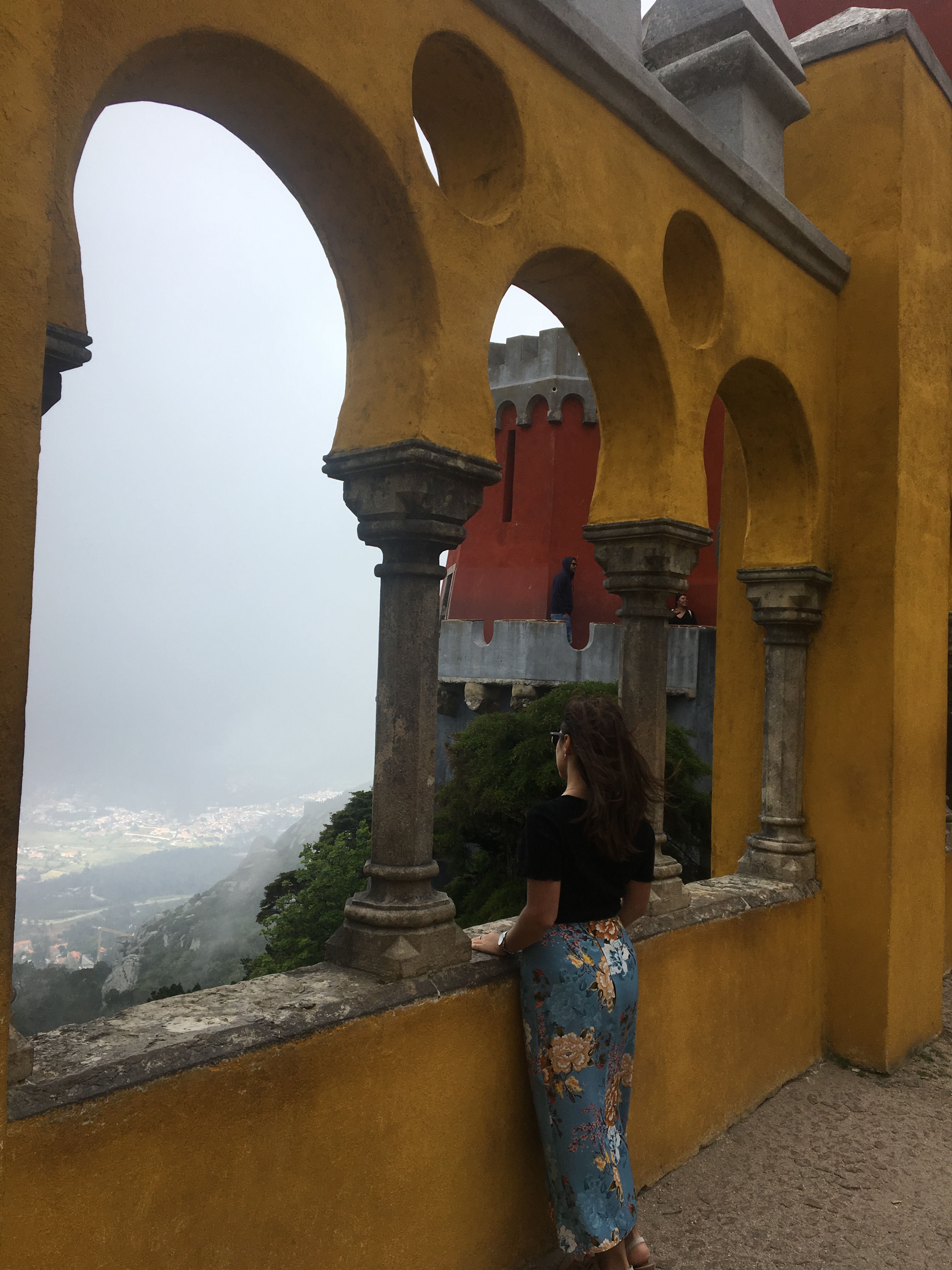
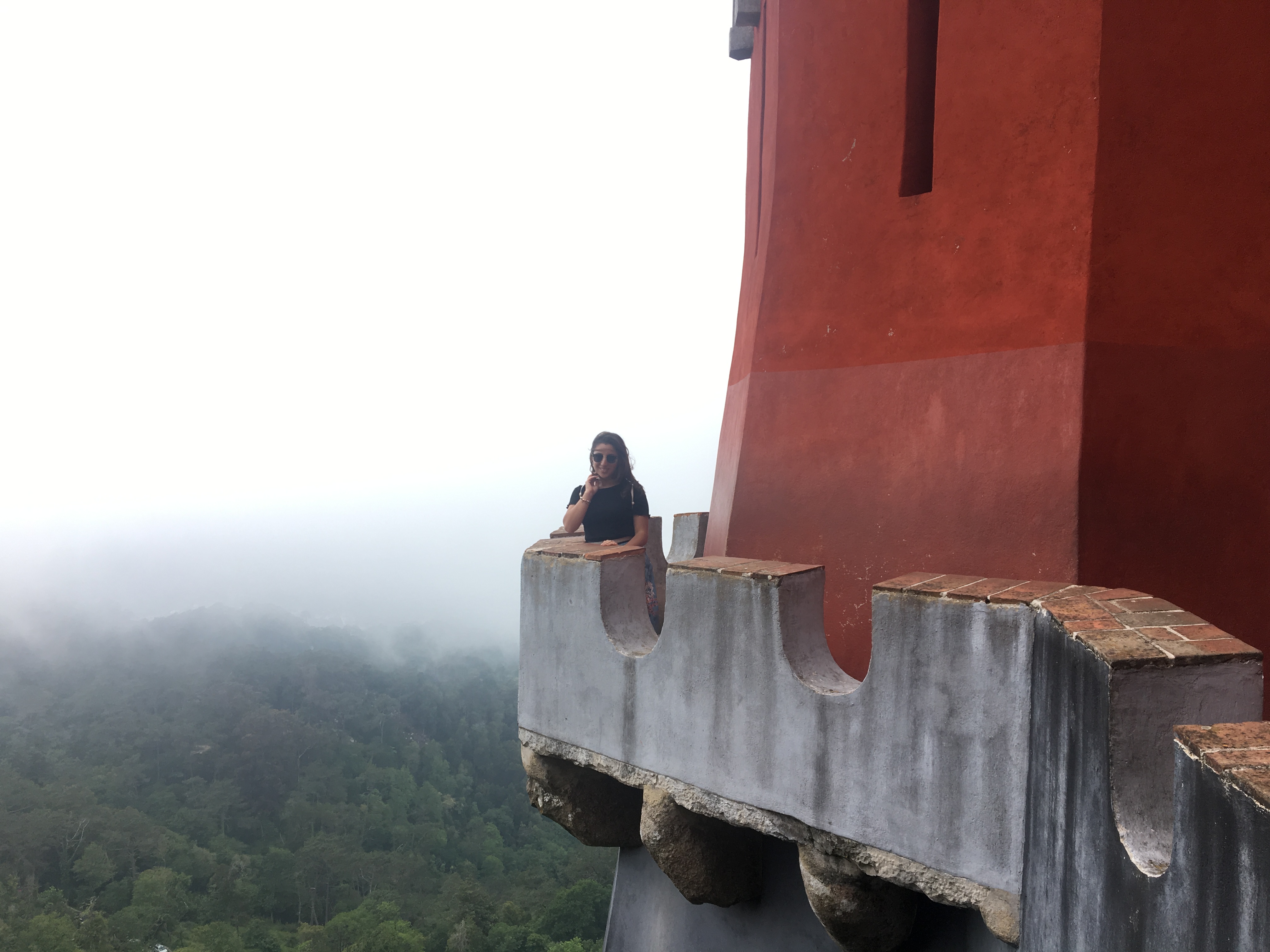
Just a short 15-minute walk away sits the vibrant Pena Palace—easily the most iconic landmark in Sintra.
With its bright yellows, reds, and blues, it almost looks like something straight out of a Disney film.
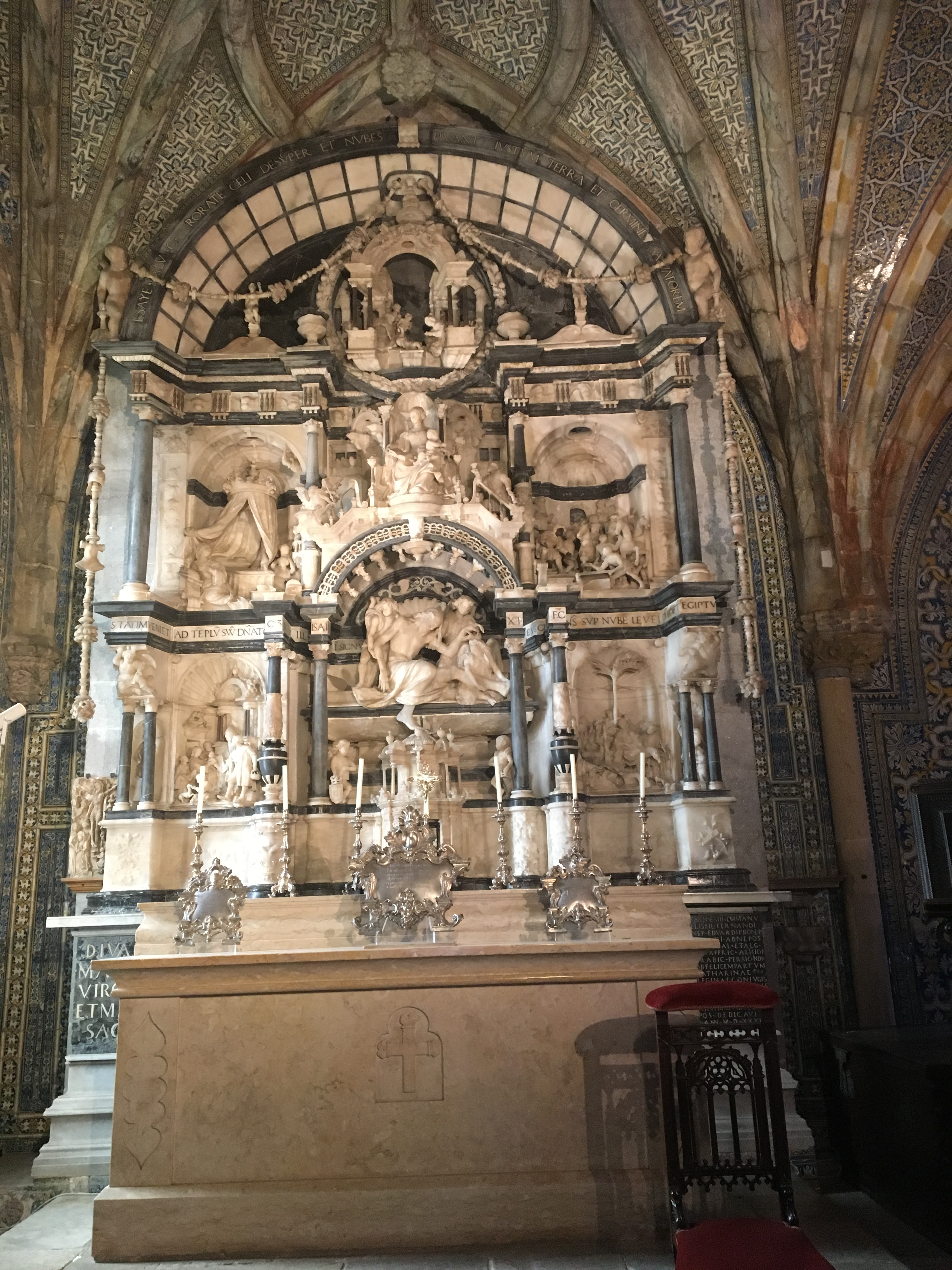
Originally a monastery, the palace was transformed in the 19th century by King Ferdinand II into a Romanticist masterpiece, blending Gothic, Moorish, and Renaissance architectural styles.
Wandering through the palace grounds, turrets, and surrounding park felt like stepping into a different era.
A Slightly Unexpected Adventure
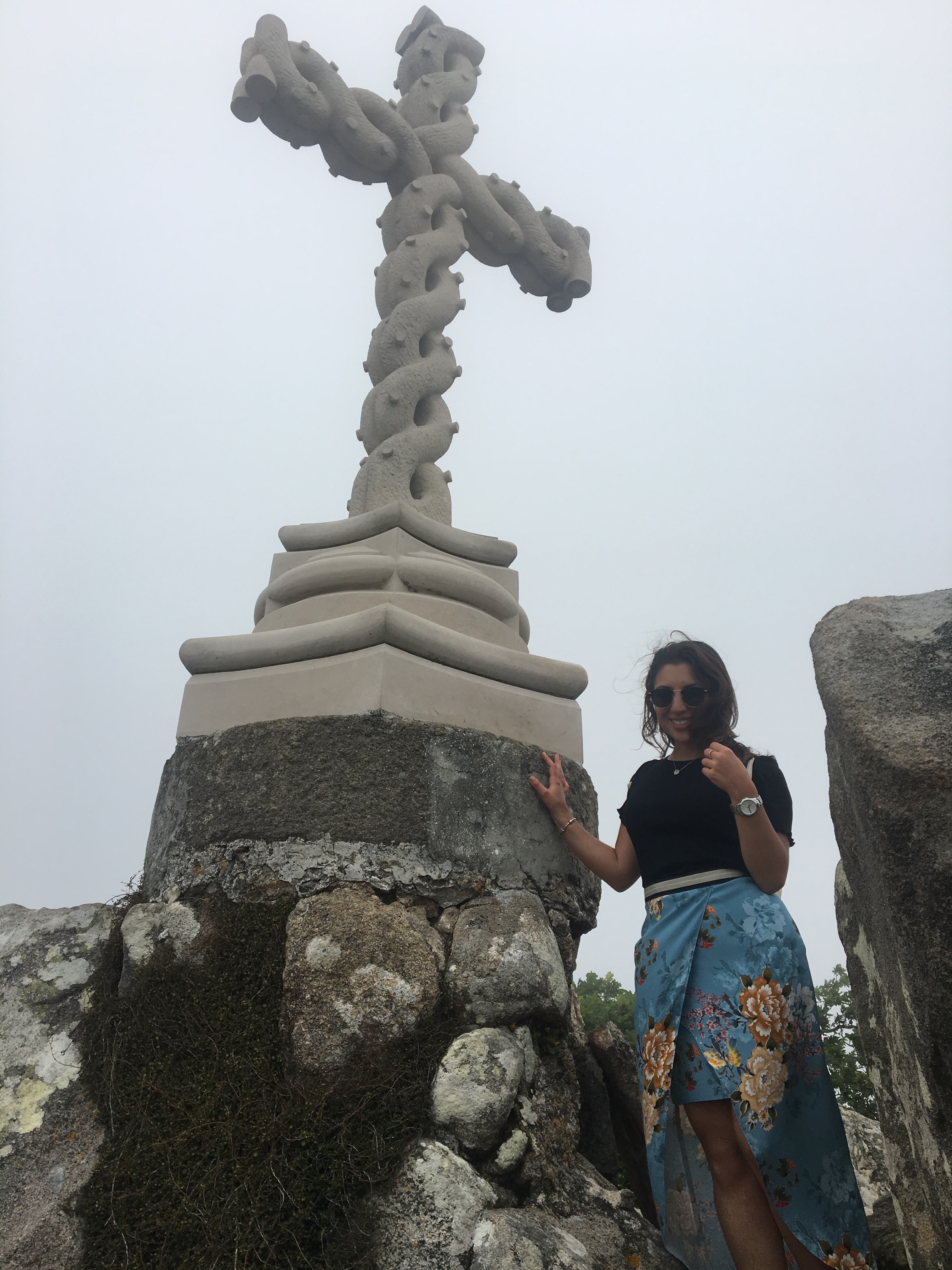
After exploring the palace, I decided (perhaps unwisely) to hike up to the High Cross viewpoint.
At one point, I was completely alone for about 20 minutes and genuinely thought I had gotten lost.
Just as I sat down for a breather, I spotted an elderly woman struggling to climb over some rocks. I ran over to help her, and we ended up trekking together.
She told me she had come to Sintra on a deeply personal journey—to seek guidance and forgiveness as part of her faith.
We eventually reached the top together, where we were rewarded with incredible views over the surrounding landscape.
It was one of those unexpected travel moments that stays with you long after the trip ends.
A Random Lift & A Local Detour
On my way back down, I realised I had accidentally wandered onto a road that clearly wasn’t meant for pedestrians—something I only noticed when cars started beeping at me.
One kind Portuguese driver stopped and offered me a lift (honestly, my feet were very ready to accept at this point).
On the way down, he casually asked if I wanted to see a traditional Portuguese village nearby.
Without overthinking it (classic me), I said yes.
It turned out to be such a unique glimpse into local life—completely unplanned and something I would’ve never experienced otherwise.
He then dropped me off at my final stop of the day.
Quinta da Regaleira: Sintra’s Most Mysterious Estate
The enchanting Quinta da Regaleira feels less like a tourist attraction and more like stepping into a hidden, symbolic world.
Originally purchased in 1893 by António Augusto Carvalho Monteiro, the estate was designed around his fascination with mysticism.
With the help of architect Luigi Manini, the property incorporates symbolism linked to:
- the Knights Templar
- Freemasonry
- Christianity
- Rosicrucianism
The Famous Initiation Well
The highlight of the estate is the Initiation Well – a spiralling underground tower with nine levels, said to represent the circles of Hell, Purgatory, and Paradise from Divine Comedy.
At the bottom lies a compass and a Knights Templar cross—symbols tied to Monteiro’s beliefs.
To make things even more surreal, a thick fog rolled in while I was exploring, giving the entire estate a mysterious, almost eerie atmosphere.
It honestly felt like walking through a secret world filled with hidden meanings.
T
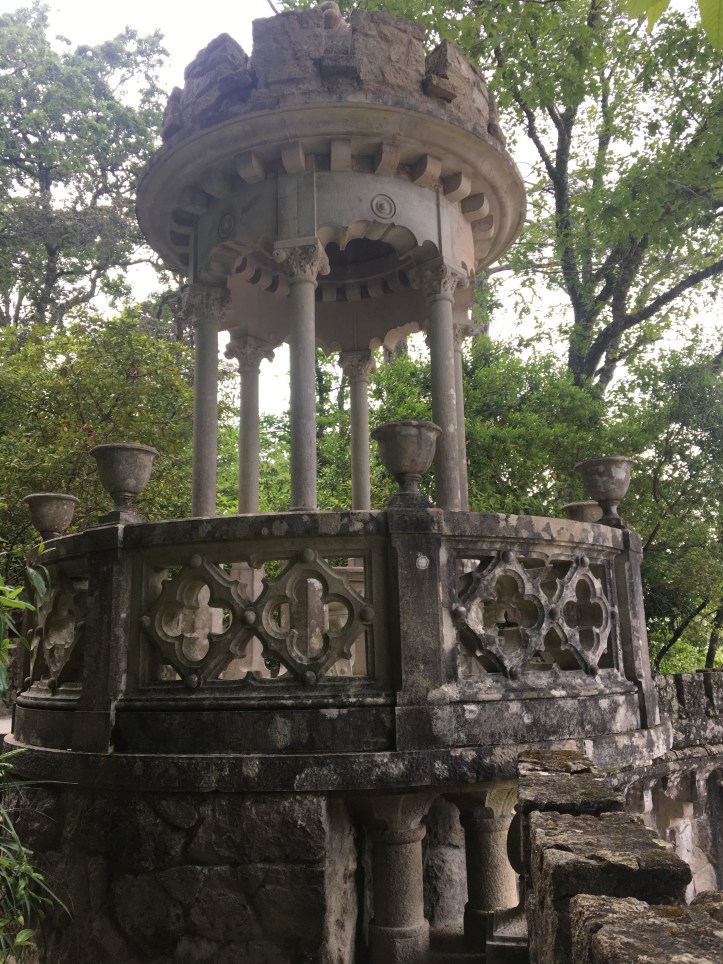
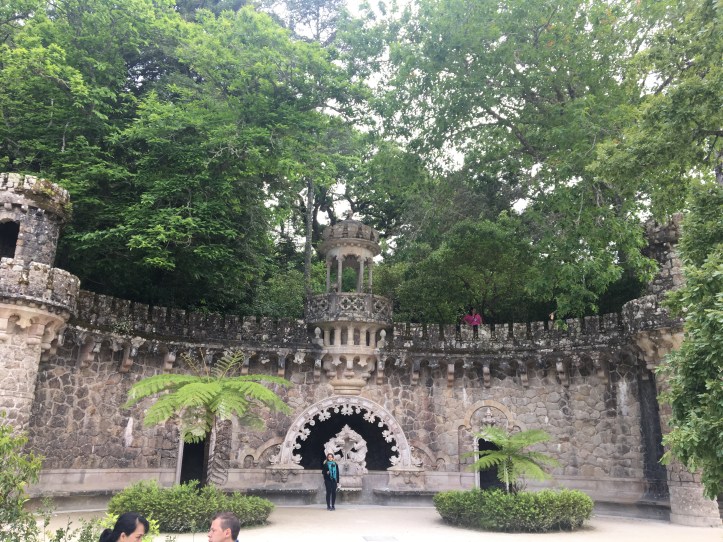
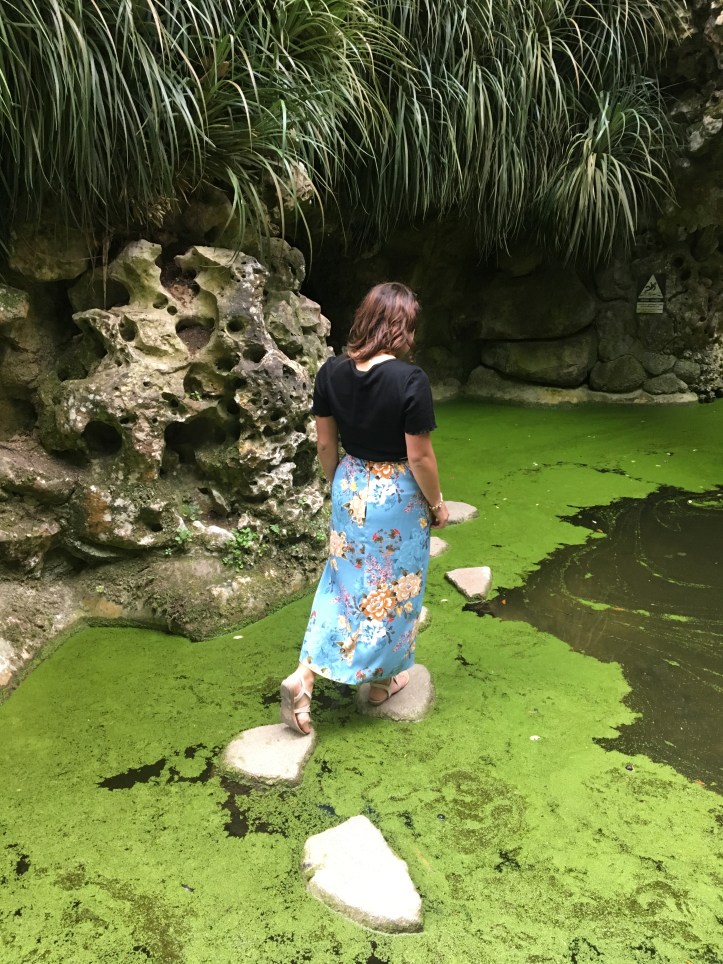

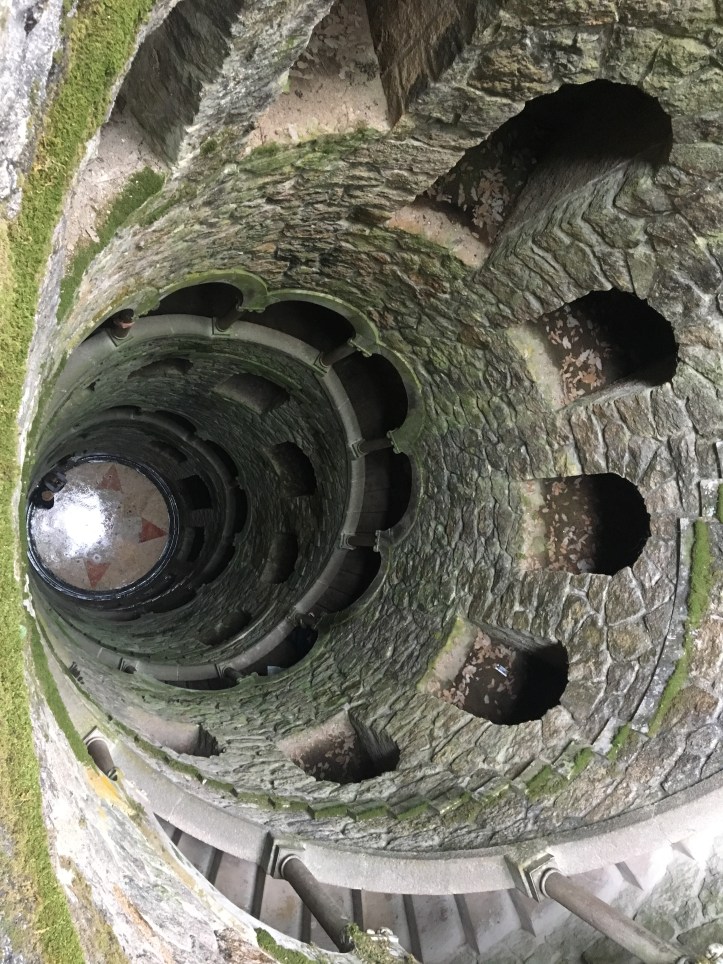
All in all, I loved the beauty and symbolism of the Quinta de Regaleira. It was like an open window into the past that caries the memory of the regions rich and varied history.
Trying Sintra’s Famous Pastries
Before heading back, I made one final (and very necessary) stop—to try Sintra’s famous pastries.
At Piriquita, I tried the iconic Travesseiros—long, sugar-dusted “pillows” filled with almond cream and egg yolk.
I can’t fully describe the taste… but just trust me, they’re incredible.
Like Lisbon’s famous custard tarts, the recipe is a closely guarded secret.
Naturally, I bought a few to take home for my family (and fiancé… although I was very tempted to keep them all for myself).

Final Thoughts on Visiting Sintra
Sintra is one of those places that feels almost unreal.
In just one day, I experienced:
- breathtaking castles
- peaceful forest trails
- unexpected human connections
- and some of the best pastries in Portugal
It’s the perfect escape from Lisbon—and a place that blends history, nature, and mystery in the most magical way.
 Where May Wanders Travel Blog
Leave a comment