
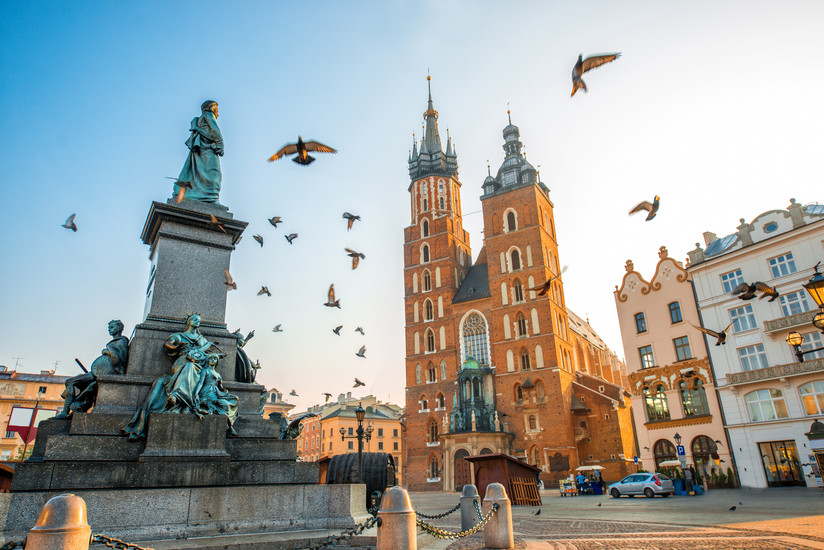
We arrived in Kraków early in the morning after a long train journey. Both Hannah and I had been looking forward to this stop for quite some time.
Whenever we spoke to fellow travellers during our Interrail trip, Kraków was always mentioned as a favourite destination. People constantly praised the city for its rich history, beautiful architecture, and vibrant atmosphere.
So when we finally stepped off the train, we were excited to start exploring.
- Day 1: Schindler’s Factory and the Wieliczka Salt Mines
- Day 2: Exploring Kraków’s Old Town and Jewish Quarter
- Day 3: Auschwitz and Birkenau
Day 1: Schindler’s Factory and the Wieliczka Salt Mines
Oskar Schindler’s Factory Museum
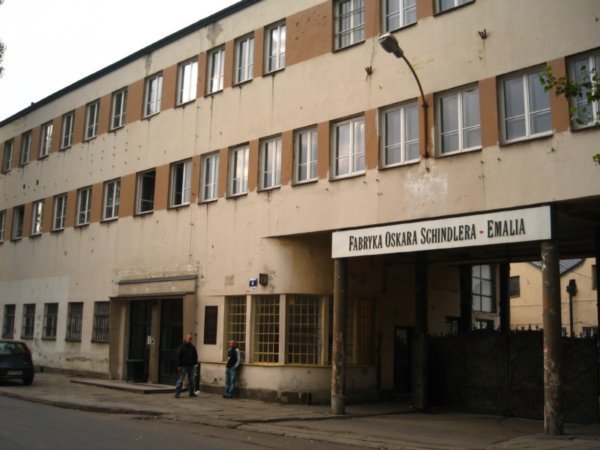
One of the first places we visited was Oskar Schindler Factory Museum.
We made this our first stop because we were both particularly interested in the history behind the story of Oskar Schindler. The museum also offers free entry on Mondays between 10am and 4pm, which made the timing perfect.
The museum tells the complex story of Schindler’s life. Initially, he was an opportunistic German businessman and member of the Nazi Party who came to Poland hoping to profit from cheap Jewish labour.
After taking control of a factory employing around 1,100 Jewish workers, Schindler began making money and building connections with powerful Nazi officials in Kraków.
However, his perspective changed dramatically after witnessing the brutal liquidation of the Jewish ghetto in Kraków. From that moment on, he used his connections — and spent large amounts of money on bribes — to protect the Jewish workers in his factory from deportation to concentration camps.
By the end of the war, Schindler had bankrupted himself in the process of saving lives and later relied on financial support from Jewish organisations.
The museum does a powerful job of telling this story and explaining the broader history of Kraków during World War II.
Wieliczka Salt Mines
In the afternoon, we took a trip to the Wieliczka Salt Mine, located about an hour outside Kraków.
This is one of the most popular excursions from the city and is even listed as a UNESCO World Heritage Site.
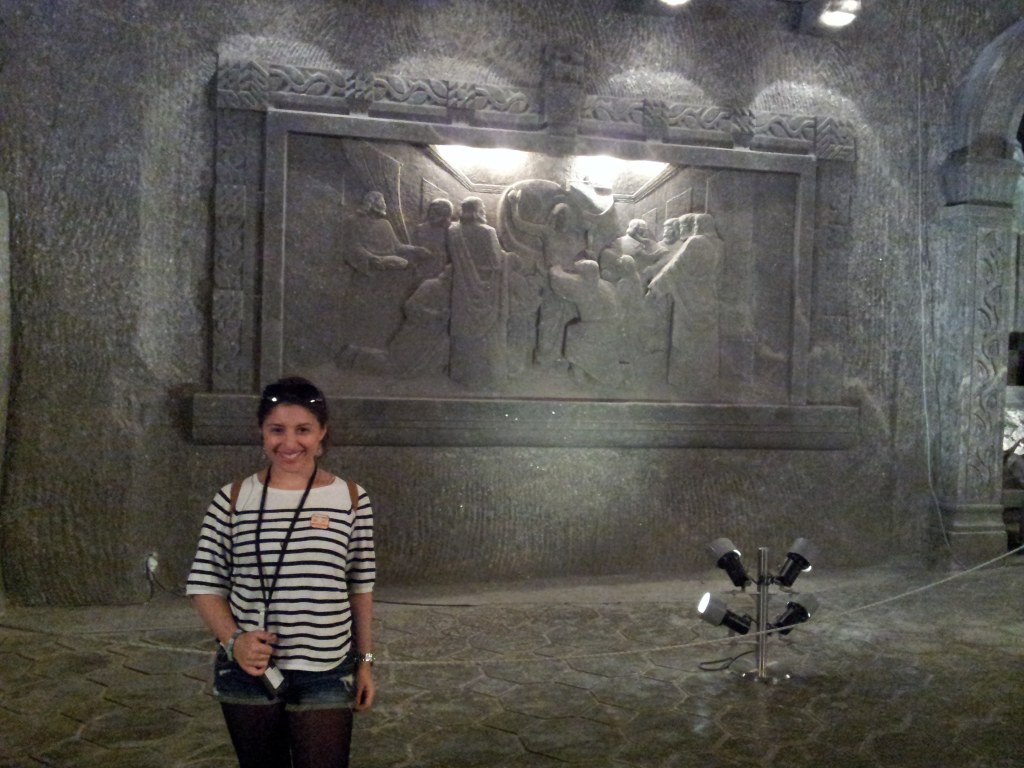
The underground mine is incredible — featuring vast chambers carved from salt, underground lakes, sculptures, and even a cathedral built entirely from salt rock.
It’s definitely one of the most unique places you can visit in Poland and well worth the trip. My experiences of visiting the Salt Mines can be found here.
Day 2: Exploring Kraków’s Old Town and Jewish Quarter
Walking Tour of the Old Town
The next morning we joined a free walking tour of Kraków’s Old Town, which I would highly recommend to anyone visiting the city.
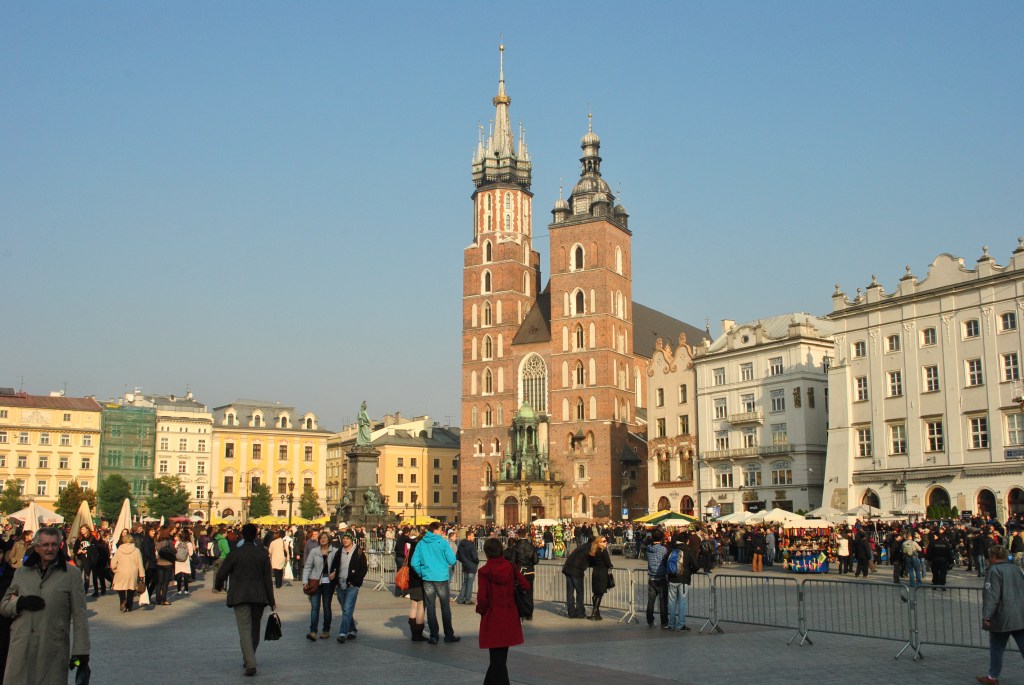
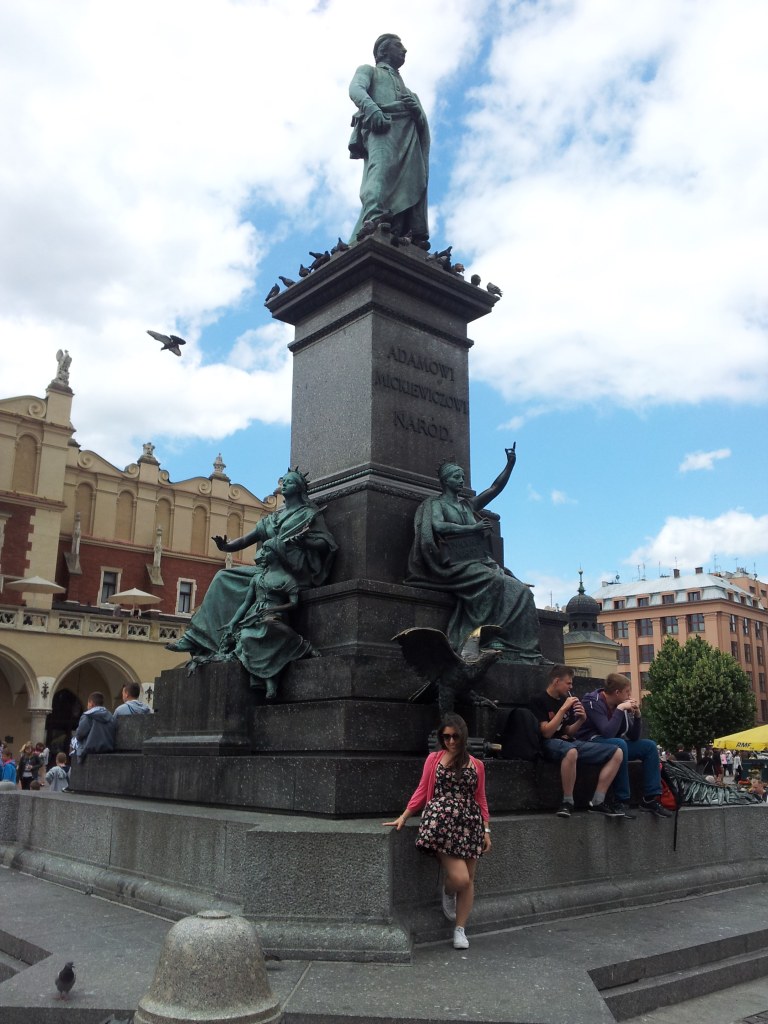
The tour covers the history of the buildings surrounding Rynek Główny, the largest medieval town square in Europe.
The square is the lively heart of Kraków and is surrounded by historic buildings, cafés, and street performers. One of the highlights here is St. Mary’s Basilica, a stunning Gothic church that is even more impressive inside.
Our guide was incredibly knowledgeable and brought centuries of Kraków’s history to life through stories about the city, its rulers, and its residents.
Walking Tour of Kazimierz and the Jewish Quarter
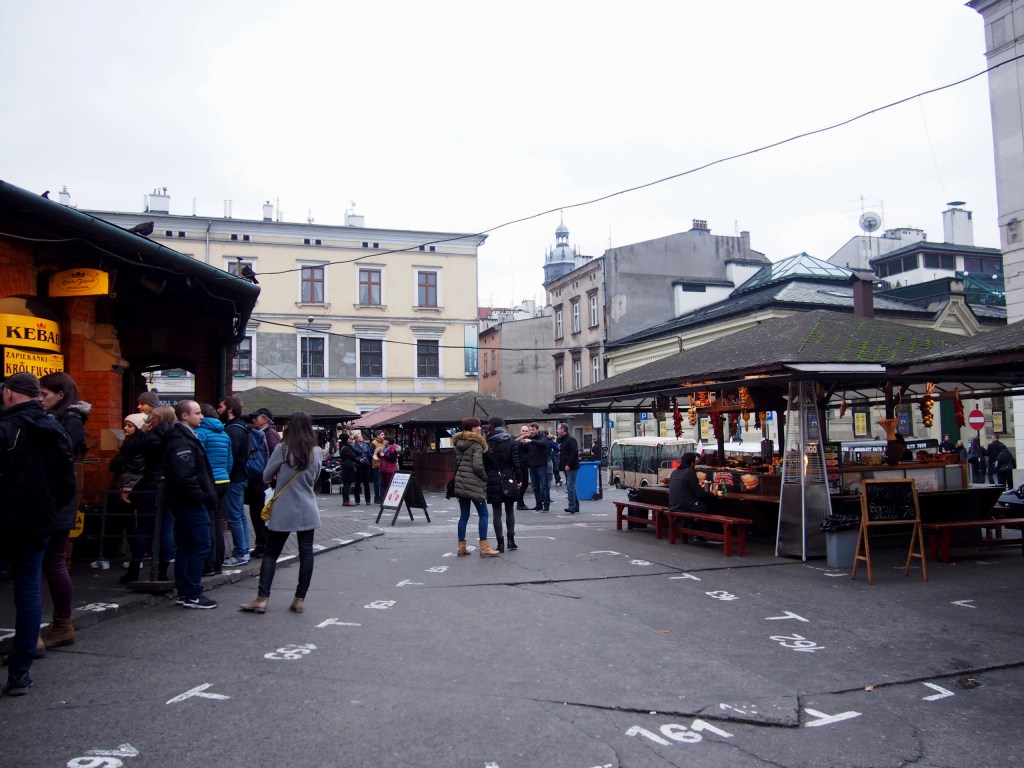
Later that day we took another walking tour focused on Kazimierz, the historic Jewish quarter of the city.
Before World War II, the Jewish community made up around 25% of Kraków’s population, creating a vibrant cultural and religious centre in this area.
The tour also took us to Podgórze, where the Jewish ghetto was established during the Nazi occupation.
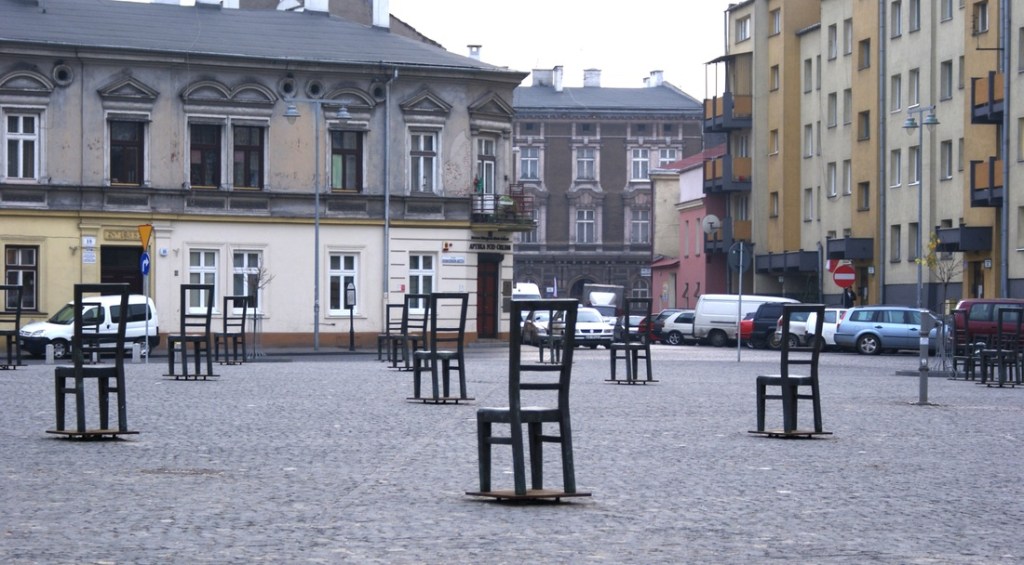
One of the most moving places we visited was Ghetto Heroes Square. The square contains dozens of large metal chairs scattered across the space. These chairs symbolise the furniture Jewish residents were forced to carry with them when they were relocated to the ghetto.
To reach the square, you can walk across the Bernatka Footbridge from Kazimierz into Podgórze.
Today, Kazimierz is also one of the best neighbourhoods in Kraków for restaurants, bars, and nightlife.
Wawel Castle
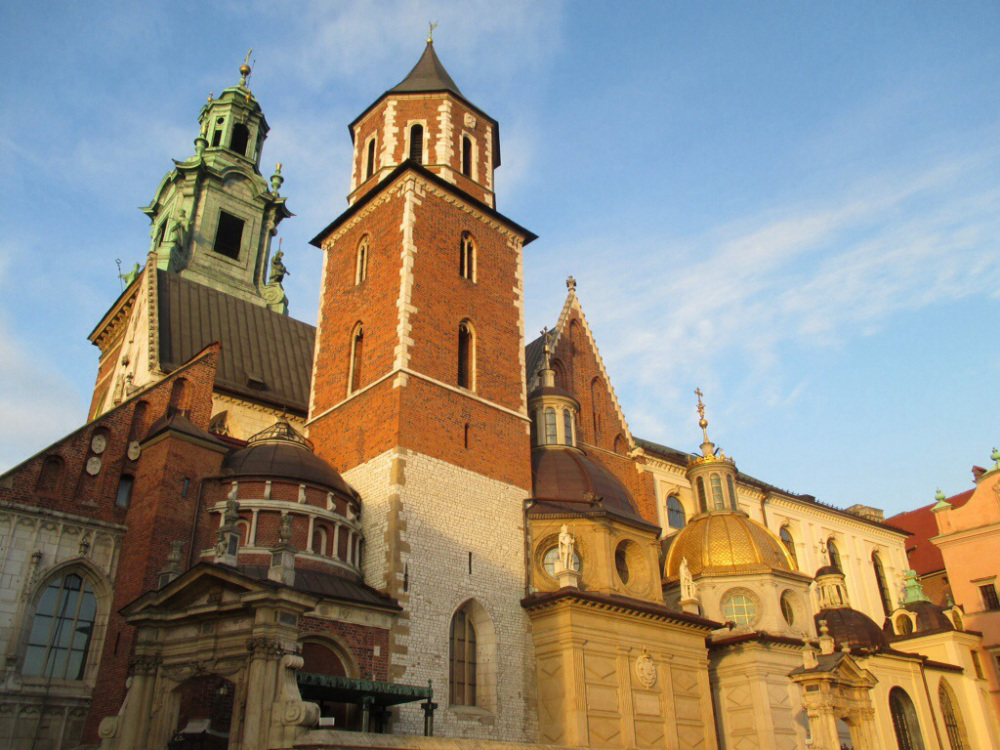
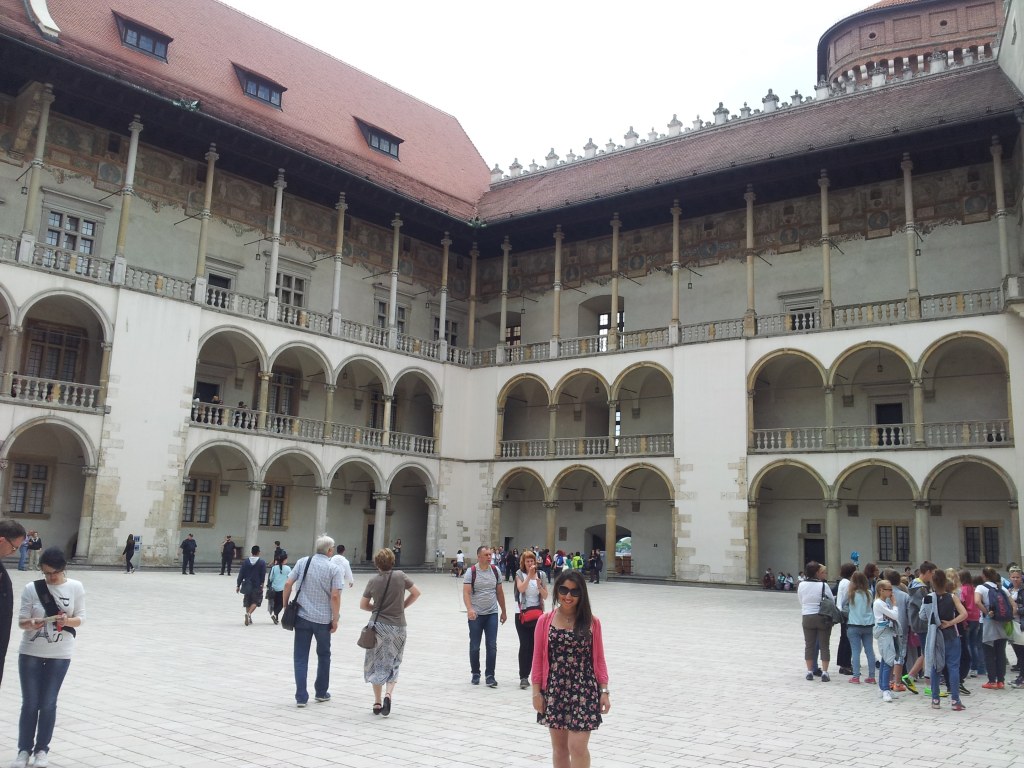
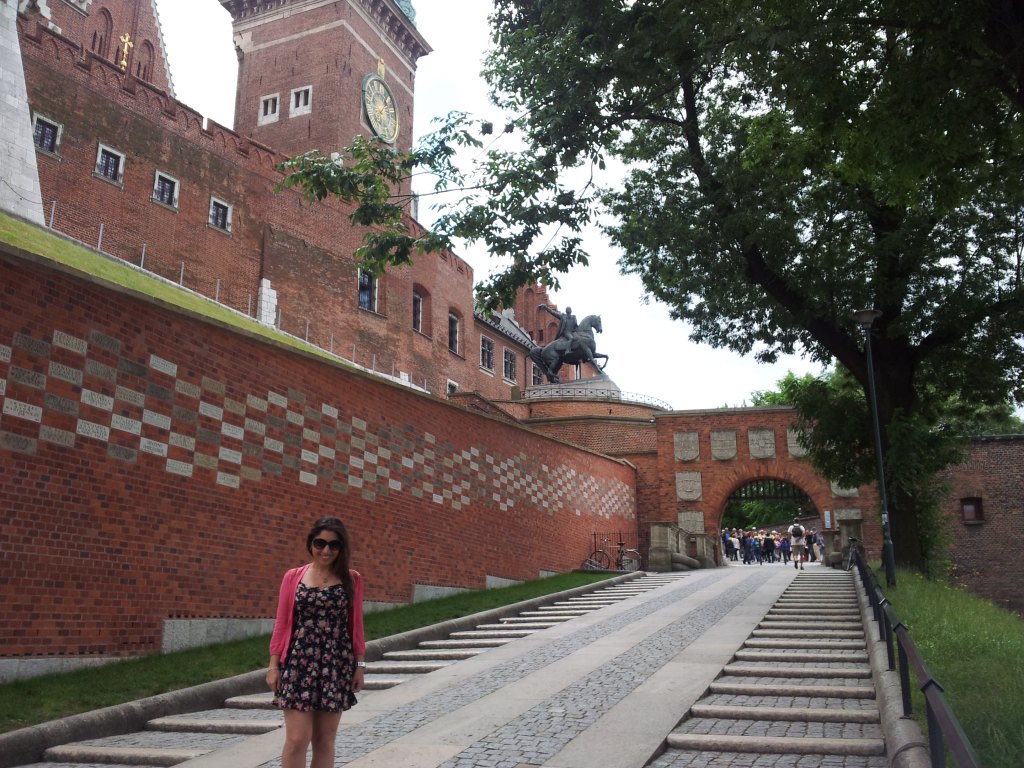
Another important landmark in Kraków is Wawel Castle, which sits on a hill overlooking the Vistula River.
Although I’ve visited several impressive castles across Europe, this one didn’t stand out quite as much as some others. However, the castle grounds are beautiful and free to explore, making it a pleasant place for a walk.
Hostel Pub Crawl
That evening we joined a pub crawl organised by our hostel, which turned out to be a great way to meet other travellers.
It also introduced us to some of the local bars and clubs around the city, making for another fun night out.
Day 3: Auschwitz and Birkenau
On our final day in Poland, we visited the former concentration camps Auschwitz Concentration Camp and Auschwitz II-Birkenau.
This was easily one of the most powerful and emotional experiences of our entire trip.
Walking through the camps is a sobering reminder of the atrocities committed during the Holocaust. It’s not an easy place to visit, but it is an incredibly important one.
I’ve written a separate post describing this experience in more detail.
Souvenir Shopping at Cloth Hall
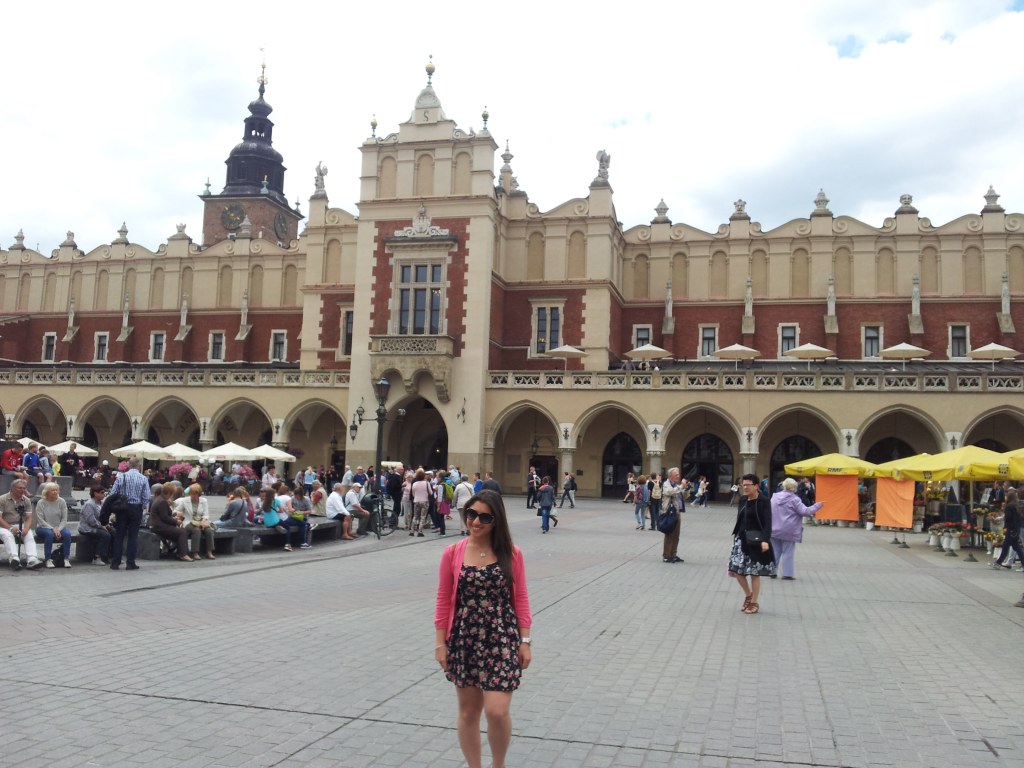
Before leaving Kraków, we stopped at Cloth Hall, located in the centre of the Main Square.
The building has been used as a trading hall for centuries and today it houses a market filled with stalls selling handmade crafts, jewellery, and traditional Polish souvenirs.
After picking up a few souvenirs, Hannah and I rushed to the train station — backpacks in tow — to catch our night train to Vienna.
_______________________________________________________________________________
Where We Stayed in Kraków
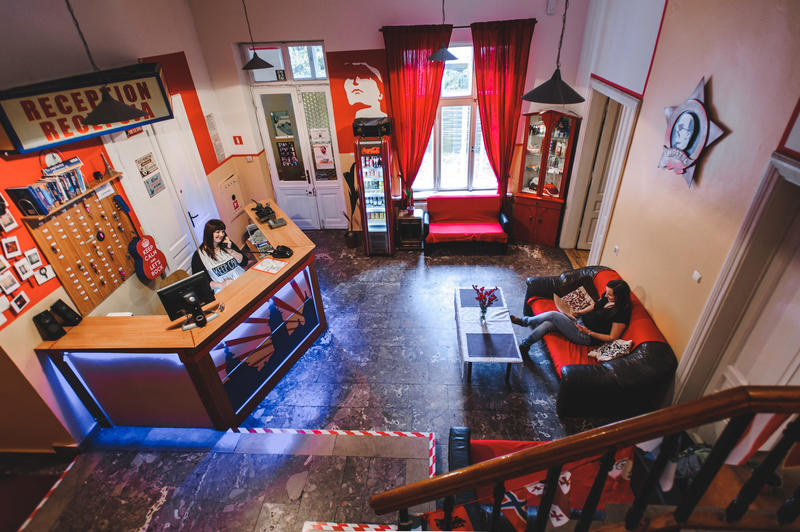
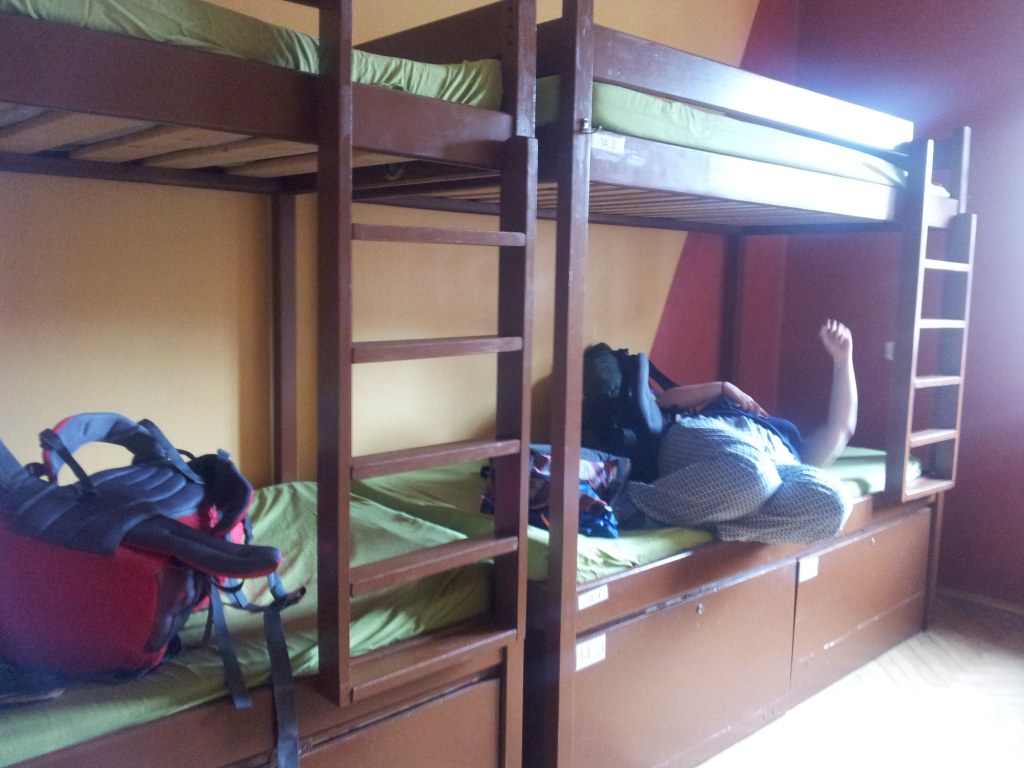
During our stay we booked a four-bed female dorm at Goodbye Lenin Hostel.
This hostel had fantastic character, with a quirky retro communist theme throughout the building. The walls were decorated with humorous posters of famous communist figures and old propaganda slogans.
The hostel also organised daily social activities, including movie nights, barbecues, and pub crawls, which made it really easy to meet other travellers.
Its location was excellent as well — only about five minutes’ walk from the main square.
By this point in our Interrail trip, one of the best features was the free washing machine and dryer. After weeks of travelling, that felt like pure luxury.
A simple free breakfast was also included, which was a great bonus.
 Where May Wanders Travel Blog
Leave a comment