
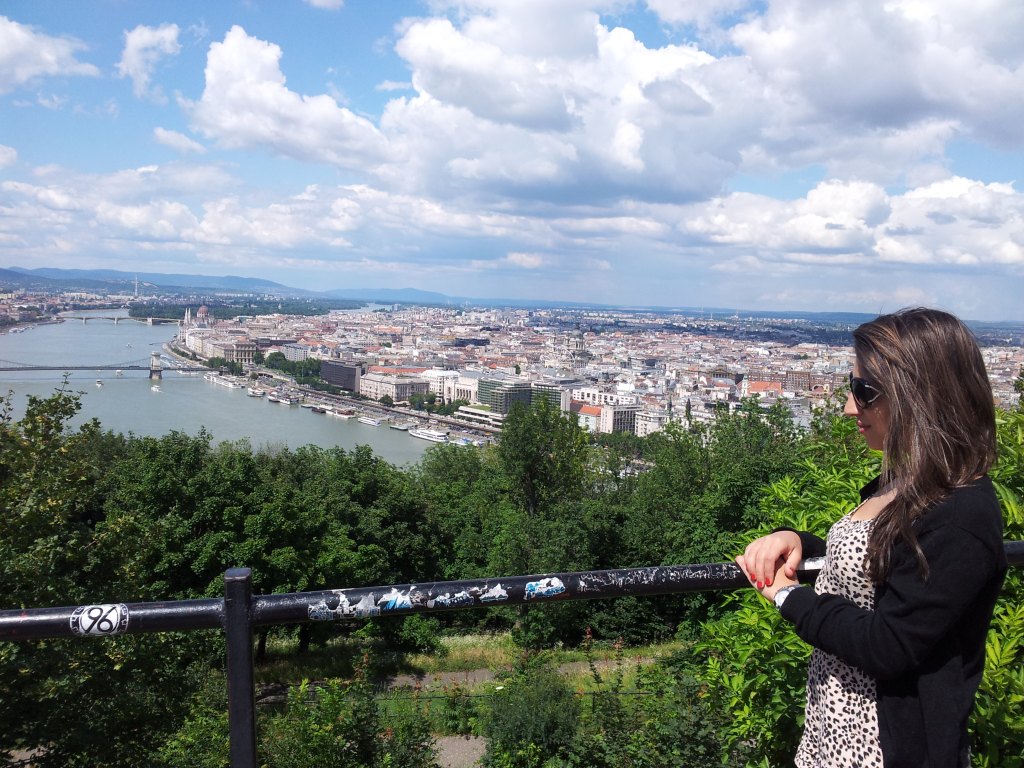
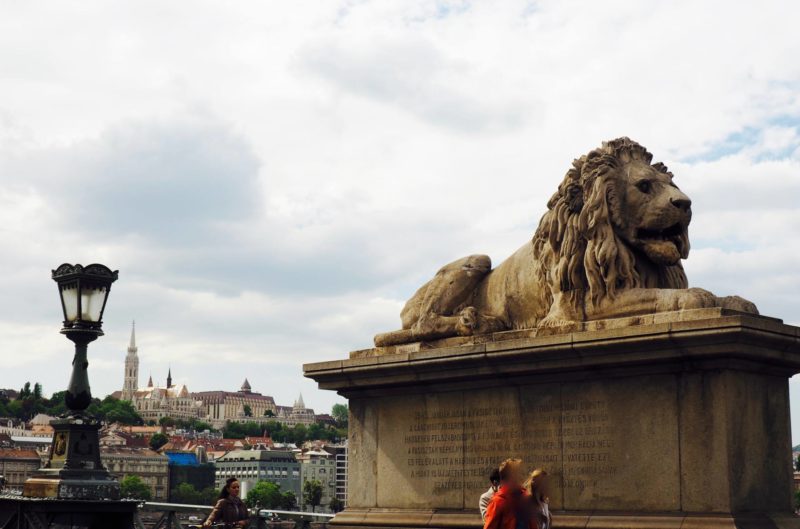
The Hungarian capital is actually two cities in one — Buda and Pest — separated by the beautiful Danube River and connected by the famous Széchenyi Chain Bridge, the city’s first permanent bridge.
Although the two sides now form one city, Budapest only officially united in the late 19th century. Even today, the contrast between the two sides is very noticeable.
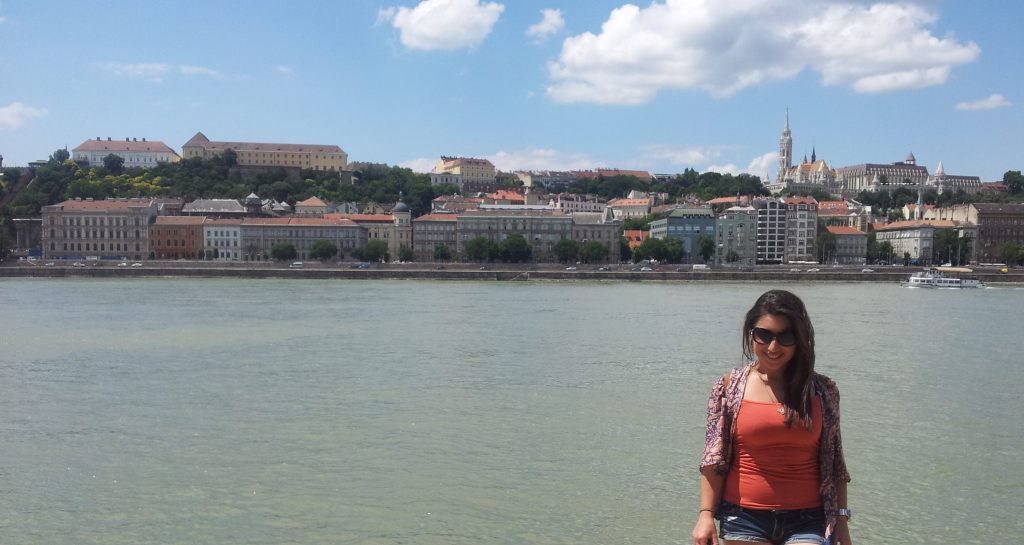
Buda is calm and elegant, full of historic architecture and hilltop landmarks such as Fisherman’s Bastion and Buda Castle. Sitting on a hill overlooking the river, it feels quieter and more residential.
Pest, on the other hand, is flat and lively. It’s the centre of business, nightlife, shopping, and the city’s famous ruin bars.
What I loved most about Budapest is that it truly offers something for everyone — history lovers, culture seekers, and all-night partygoers alike.
________________________________________________________________________
Our 4-Day Budapest Itinerary
We arrived in Budapest late in the evening after a long day of travelling. After navigating the Hungarian train system, we finally reached our accommodation — Treestyle Hostel.
It was only when we were walking toward the hostel that we realised something interesting: it was located in the middle of the former Jewish Quarter and directly above two nightclubs.
Naturally, Hannah and I exchanged a look — the kind that says “this could either be amazing or a disaster.”
When we walked inside, we were greeted by an extremely enthusiastic — and extremely drunk — receptionist. Slightly unsure what we had gotten ourselves into, we decided to get some sleep and see what Budapest had in store for us the next day.
Day 1: A Walk Along the Danube
We had booked a free walking tour for the afternoon, so we spent the morning relaxing and walking along the Danube River.
It was the perfect introduction to the city — simply strolling along the river, admiring the architecture, and watching life go by.
Later that afternoon we joined the walking tour on the Pest side of the city. Our guide took us past several of Budapest’s most important monuments and churches while explaining the history behind them.
One thing I still remember from the tour was learning about the Hungarian language. Surprisingly, it’s not closely related to most European languages. Instead, it belongs to a different language family and shares similarities with languages from Central Asia — which reflects the region’s complex migration history.
The tour eventually led us across the Széchenyi Chain Bridge and onto the Buda side, where we learned more about the history of Buda Castle and the impressive Hungarian Parliament building across the river.
Budapest’s Famous Ruin Bars
That evening we changed and headed out for another pub crawl.
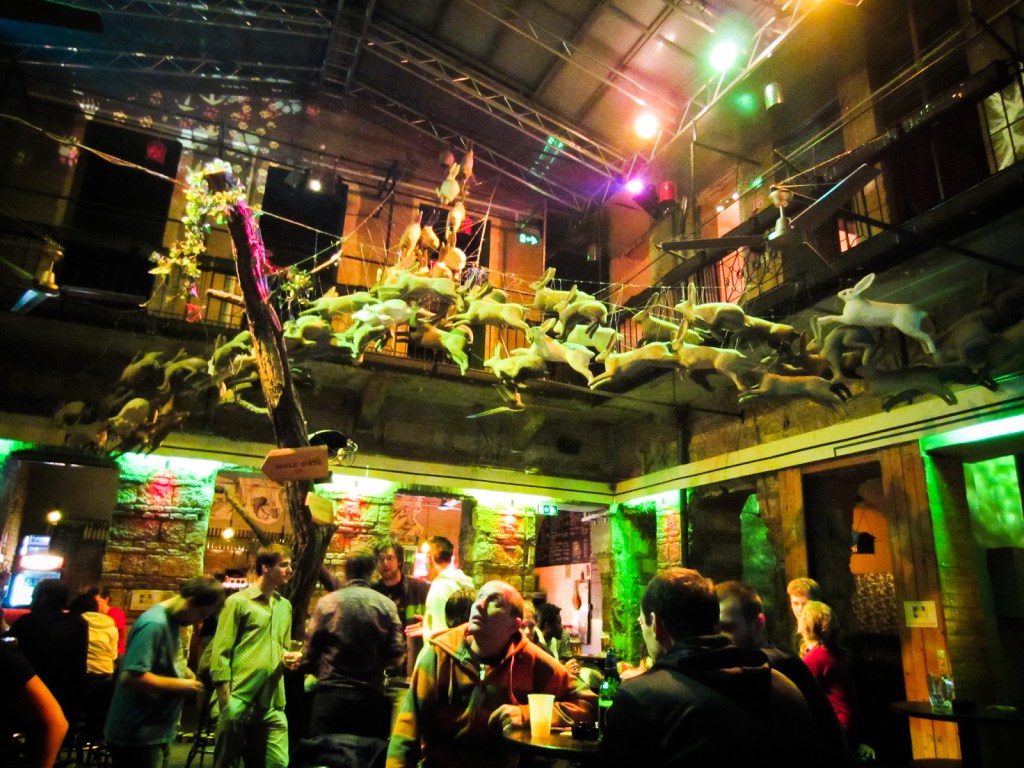
Budapest is famous for its ruin bars, which are bars created inside abandoned or partially ruined buildings. The trend started after World War II, when many buildings in the Jewish Quarter were left damaged and empty.
Over time, people began transforming these buildings into creative bars filled with mismatched furniture, quirky decorations, and a very relaxed atmosphere.
Each ruin bar has its own unique personality.
Some of the most famous ones include:
- Szimpla Kert
- Instant
- Fogas Ház
The final stop on our pub crawl was Instant, one of the largest ruin bars in Budapest.
Inside were multiple dance floors, each playing completely different music — techno, indie, electronic, and some very unusual dance music I had never heard before. At one point we even walked into a room where the furniture was attached to the ceiling.
It was chaotic, weird, and incredibly fun.
One thing I noticed about ruin bars is how easy it is to start conversations with people. The laid-back environment makes everyone feel relaxed, and people are generally very open to chatting.
It ended up being a brilliant night.
Day 2: Gellért Hill and Thermal Baths
The next day happened to be Father’s Day, and Hannah and I decided to do something a little creative for our dads back home.
We climbed Gellért Hill for one of the best panoramic views of Budapest. Once we reached the top, we held up a sign that said “Happy Father’s Day — Love from Budapest” and sent the photo to them.
They loved it.
Széchenyi Thermal Baths
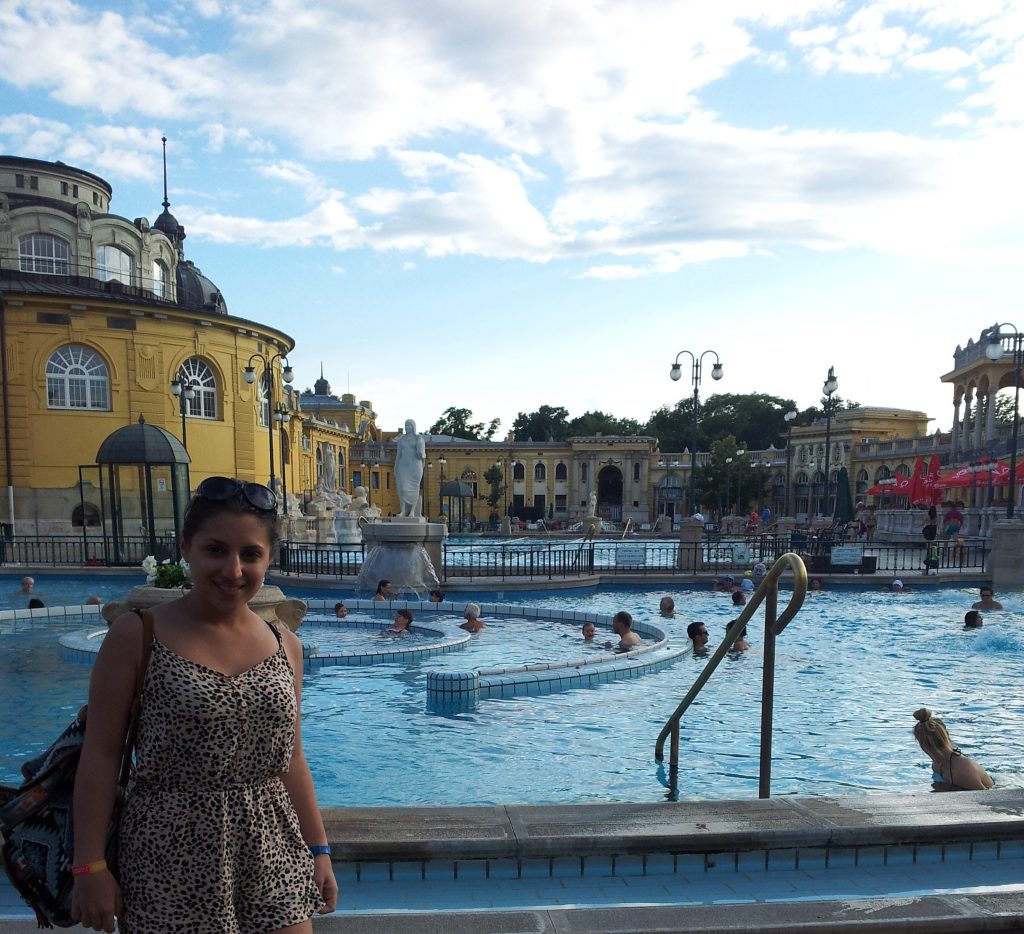
Our next stop was the famous Széchenyi Thermal Bath, located in Budapest’s City Park.
Budapest is known as the “City of Spas”, thanks to the natural thermal springs beneath the city. People have been bathing in these waters since Roman times.
Széchenyi Baths, built in 1913, is one of the largest spa complexes in Europe. The impressive neo-Baroque building contains multiple indoor and outdoor pools, including 11 medicinal thermal pools and 8 swimming pools.
Whether the mineral waters truly have healing powers is debatable — but they were definitely relaxing.
Hannah and I were particularly entertained by the whirlpool, which we enthusiastically rode around multiple times. At some point we realised people were staring at us like we were slightly unhinged, so we reluctantly moved on.
Another Night at Instant
That evening we somehow found ourselves back at Instant.
We met some hilarious Scottish travellers who felt the need to “protect” us from other guys in the club, which Hannah and I found both unnecessary and extremely funny.
To make the night even more random, we also ran into people we had met earlier in Prague.
One of the strange joys of backpacking around Europe is how often you unexpectedly bump into the same travellers again.
Day 3: Day Trip to Bratislava
On our third day in Budapest we took a day trip to Bratislava, the capital of Slovakia.
(You can read my full Bratislava travel guide in the separate post.)
Day 4: Budapest’s Great Market Hall
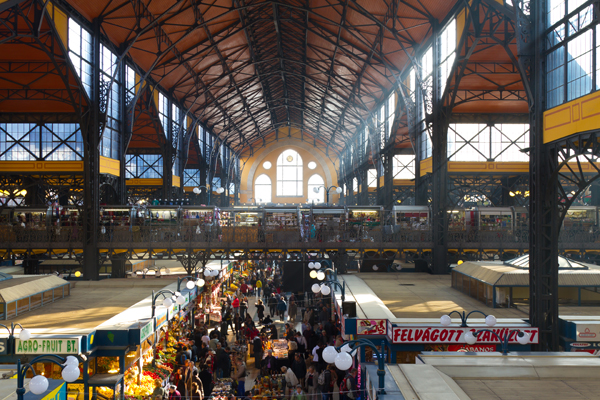
On our final morning in Budapest, we only had a few hours before catching our next train. We decided to visit Great Market Hall on the Pest side of the river.
The market is enormous, housed inside a stunning historic building with high vaulted ceilings and two floors of stalls.
- The ground floor mainly sells fresh food and produce
- The upper floor features traditional Hungarian meals and souvenirs
We picked up some Hungarian paprika and a few small souvenirs. By this point in our Interrail trip our backpacks were already overflowing, otherwise I definitely would have bought more.
If you visit Budapest, this market is well worth stopping by — just make sure you arrive hungry.
________________________________________________________________________
Where to Stay in Budapest
Budapest is known for having some of the best budget accommodation in Europe, especially for backpackers. Dorm beds can cost anywhere between £7 and £20 per night, making it a very affordable city to visit.
I usually book hostels through Hostelworld, which has always worked well for me.
Some of the best-rated hostels in Budapest include:
- Pal’s Hostel
- Big Fish Budapest Hostel
- Avenue Hostel
- Central Backpack King
- HomePlus Hostel
- Maverick City Lodge
________________________________________________________________________
Helpful Budapest Travel Tips
Take Tram #2
This tram runs along the Danube and offers fantastic views of many of Budapest’s major landmarks.
Visit the river at night
Budapest looks stunning after dark when the bridges and buildings are illuminated.
Be cautious around Keleti Station
The area around Budapest Keleti Railway Station can attract pickpockets and unofficial taxi drivers. It’s generally best not to linger there longer than necessary.
Ironically, our hostel was located near the station — and we only heard this advice from a local after we had already stayed there.
 Where May Wanders Travel Blog
Leave a comment